[aioseo_breadcrumbs]
TIPS & HOW TO
Expand your living space with a backyard patio

Carl Duguay
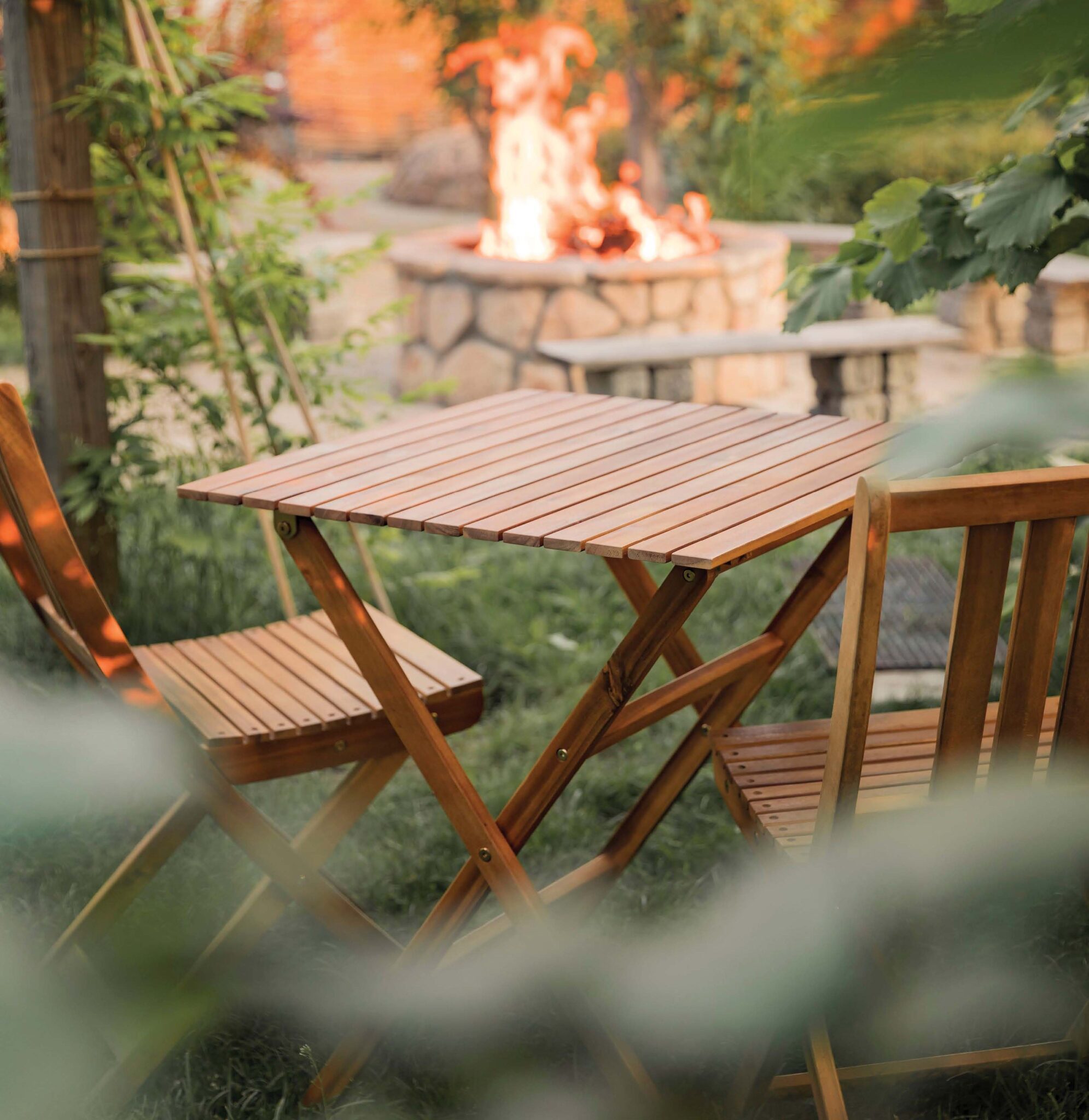
A well-designed patio can do more than improve your home’s functionality and appeal.
It can expand your usable living space, connect you to the outdoors and create an ideal spot for relaxing, entertaining or enjoying family meals al fresco. Whether you’re starting from scratch or updating an existing outdoor area, here’s what you need to know to get started.
Let’s clarify terms
Although patios, verandas, porches and pergolas are all designed to enhance outdoor living, they differ in structure and function. A patio is typically a ground-level surface made of concrete, stone, tile or pavers. It can be either attached to the house or freestanding, and while it’s generally open to the sky, some patios feature partial shading through umbrellas, pergolas or awnings.
A veranda, by contrast, is a roofed platform that usually runs along the front or sides of a house. It’s raised above ground level and often features railings and posts. Verandas are common in older or traditional-style homes and provide a sheltered spot to sit and relax while enjoying the view. Very similar to a veranda, a porch is a smaller sheltered area on a building, typically in front of an entrance.
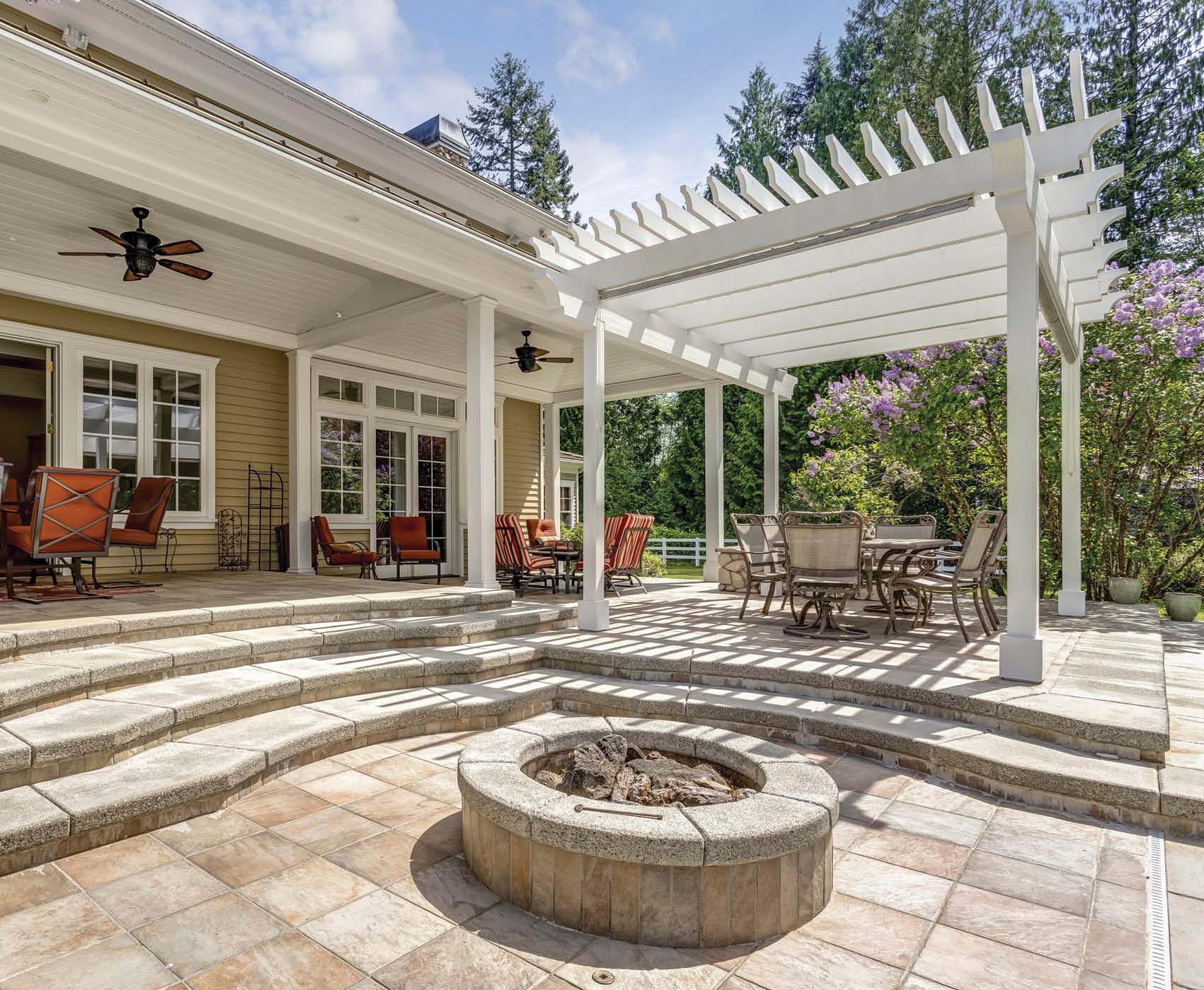
A pergola is an open-sided structure with a slatted or latticed roof that’s often built over a patio or walkway. While it doesn’t provide full protection from the elements, a pergola creates filtered shade and a defined outdoor space. Pergolas can also be used to support climbing plants, adding natural beauty and texture to the landscape.
Here, there… or anywhere?
Choosing the right location is one of the most important steps in planning a patio. Ideally, your patio should complement how you intend to use the space. If you envision dining outdoors or entertaining guests, placing the patio close to your kitchen or main living area makes it easier to carry food, dishes and furniture in and out.
It’s also important to think about how sunlight and shade move through your yard during the day. A sunny patio may be perfect for morning coffee but less pleasant on hot summer afternoons, unless you plan for shade.
Privacy is another consideration. Placing your patio in a secluded area or incorporating fencing, plantings or screens can help create a more intimate and comfortable atmosphere. Additionally, you’ll want to avoid low-lying areas where water tends to collect and instead choose a site with good drainage and some protection from the wind.
One size doesn’t fit all
When determining the size of your patio, consider how you plan to use it and what kind of furniture you’ll be placing on it. A patio intended for dining should comfortably accommodate a table and chairs, with space to move around them — typically 100 to 150 square feet for a four- to six-person setup. If your goal is to create a lounge or relaxation area with outdoor sofas, chairs and a coffee table, you may need closer to 150 to 200 square feet.
For patios serving multiple purposes, such as dining, lounging and grilling, plan on at least 300 square feet. It’s usually better to err on the side of slightly larger rather than smaller. A cramped patio can feel uncomfortable and may end up being underused, whereas a generously sized one allows for flexible furniture arrangements and future additions.
It’s all down to what’s underfoot
The materials you choose for your patio will affect not only its appearance but also its durability, maintenance needs, cost and climate.
If freezing and thawing cycles are common in your area, porous materials are likely to absorb water, which then expands as it freezes, leading to cracking, flaking or spalling over time. Concrete should be properly air-entrained and sealed to withstand these stresses. Dense natural stones such as granite or slate are more resistant, while softer stones like limestone or sandstone may deteriorate faster. Brick should be rated for exterior use in severe weather conditions. Choosing durable, low-porosity materials and applying protective sealants helps ensure a patio remains strong and attractive year-round.
Concrete is one of the most popular choices due to its affordability and versatility. It can be poured in slabs or stamped to mimic the look of stone or tile. While working with concrete is arduous, it’s definitely within the scope of most DIYers.
Natural stone, such as slate, flagstone or bluestone, offers a beautiful and organic look that blends well with gardens and landscapes. While it’s more expensive and more difficult and time consuming to install, it’s durable and long-lasting. Brick is another classic choice that brings character and timeless charm, particularly in traditional or heritage homes. For all but the most experienced homeowner, installing a natural stone patio is best done by a contractor.
Concrete or stone pavers offer a middle ground. They come in a wide variety of shapes, colours and patterns, and are relatively easy to install and repair. For a more casual or rustic feel, a gravel patio is another option. They’re affordable and fast to build, though they do require regular raking and maintenance to stay tidy.
Wood and composite materials can also be used for patios, though they’re more commonly associated with decks. They’re a viable choice when you’re building a floating deck — a deck unattached to your house and slightly elevated above ground level. They’re especially well-suited to sloping backyards.
Wood offers a warm, natural appearance and is relatively easy for DIYers to work with. It can be stained or painted to suit a wide range of styles, but it does require ongoing maintenance, including sealing and repairs, to protect it from rot, insects and weathering.
Composite decking, on the other hand, is a low-maintenance alternative that resists rot, mould and pests. It mimics the look of wood and comes in a variety of colours and textures. However, it tends to be more expensive upfront and can become hot underfoot in full sun.
Permit, please
Before you break ground, it’s important to check with your local municipality to see if a permit is required for your project. This is particularly true if the patio is attached to your home, alters the grading or drainage of your yard, or involves electrical or gas connections. Even freestanding patios can be subject to setback requirements or utility line restrictions. Securing the proper permits will ensure your project meets safety standards and avoids costly fines or delays.
Hold the H2O
One of the most common mistakes in patio construction is poor drainage. Your patio should slope away from your home at a rate of approximately 1/4″ per foot to prevent water from pooling around the foundation. Use a string line and level during layout to maintain a consistent slope. You may also want to install a gravel base or French drain in especially wet areas to divert water more effectively.
Gearing up
Essential items that you’ll need to install any kind of patio include a shovel, wheelbarrow, rake, level, tamper or plate compactor, string line, a rubber mallet, and a strong back. For paver patios, you might also need a masonry saw or angle grinder with a diamond blade to make clean cuts. You can rent larger equipment like a compactor if you don’t own one. Having the right tools on hand before you start the job will make construction smoother and more efficient.
What to expect
Constructing a basic patio is a project that many homeowners can tackle themselves with some planning, tools and elbow grease. The first step is to plan the layout and mark out the area with stakes and string. Once the shape and size are finalized, excavate the site to a depth that allows for the base and surface material — usually between 6″ and 8″ deep.
Next, lay down a base of compacted gravel or crushed stone to ensure proper drainage and a stable foundation. You can install edging materials to help keep the patio surface in place and maintain clean lines. Then it’s time to install the surface material — concrete, stone, brick or pavers — in the desired pattern, making sure it’s carefully levelled. If you’re using pavers, sweep polymeric sand into the joints to lock the pieces together and prevent weed growth. The finished patio can then be sealed to enhance durability and appearance.
It doesn’t have to end there. Personalize your patio with outdoor furniture, ambient lighting and strategically placed containers of plants. Add a hot tub, barbeque, portable firepit or fountain. Too much overhead sun? Install an umbrella, awning or pergola.
Need a helping hand?
Deciding whether to build the patio yourself or hire a contractor depends on several factors, including the complexity of the design, your budget and your experience with outdoor projects. A simple gravel or paver patio is a realistic DIY project for many homeowners and can be completed over a weekend or two with proper preparation.
However, if your patio will be large, located on a slope, or constructed from high-end materials like natural stone, hiring a professional can save time and ensure that grading, drainage and foundation work are done properly. A skilled contractor can also help you navigate building codes and permits and may offer design advice that adds lasting value to your home.
Tidy up
To keep your patio looking great year after year, regular maintenance is key. Sweep away leaves and debris to prevent staining and moss growth. Wash the surface periodically with a mild soap and water solution or use a pressure washer if the material allows. Reapply sealers every two to three years to protect concrete and natural stone surfaces. For paver patios, refill joints with polymeric sand as needed to prevent weed growth and shifting.
No space is too small
If your yard is small or your budget is tight, consider starting with a smaller patio and expanding later. Choose cost-effective materials like gravel or concrete pavers and use creative design solutions to add charm, such as built-in planters or benches. Adding a pergola, string lights or a portable fire pit can transform even a modest space into a cozy, welcoming retreat.
A patio can be a valuable addition to any home, offering a versatile space for outdoor living that can be tailored to your style and needs. Whether you build it yourself or enlist the help of a contractor, investing in a patio is a step toward creating a more enjoyable, functional and beautiful living environment that you and your family can appreciate for years to come.
Photos credit: Rob Brown; lead photo by iStock
Privacy Screen
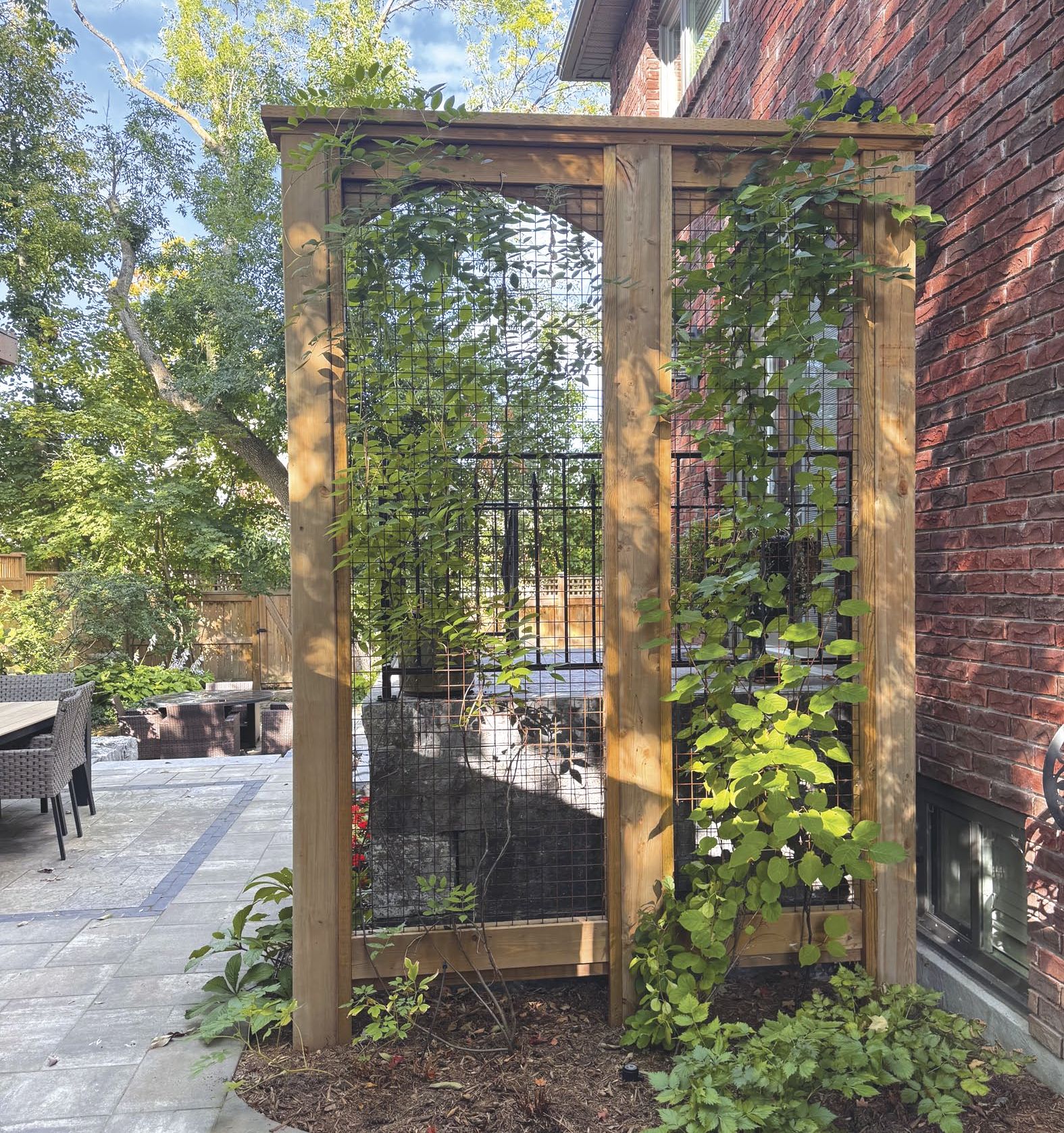
While many privacy screens are on the perimeter of a patio, sometimes it’s helpful to have a screen separating the patio from the home. In this case, a privacy screen shields the view of the back door and provides a trellis for flowers and vines to grow on.
Close Quarters
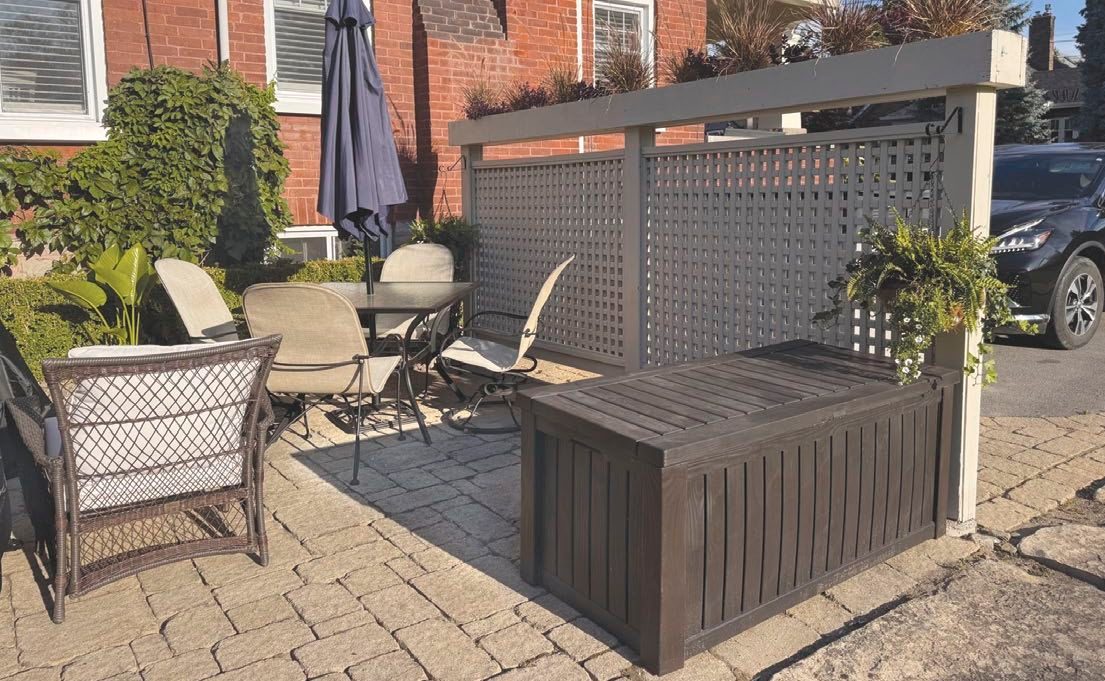
This privacy screen delineates the area between the driveway and the backyard, bringing comfortable separation to the smaller seating area.
Small Is Nice
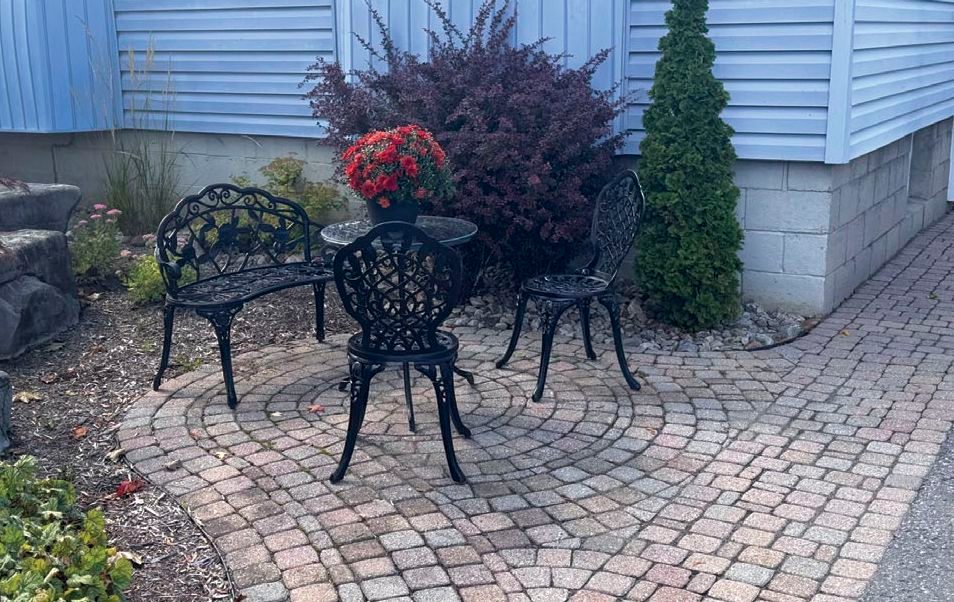
This small seating area allows the users to sit in front of their home, which is on a quiet street, and chat with pedestrians passing by. The stone work on the ground does a great job at defining the space.
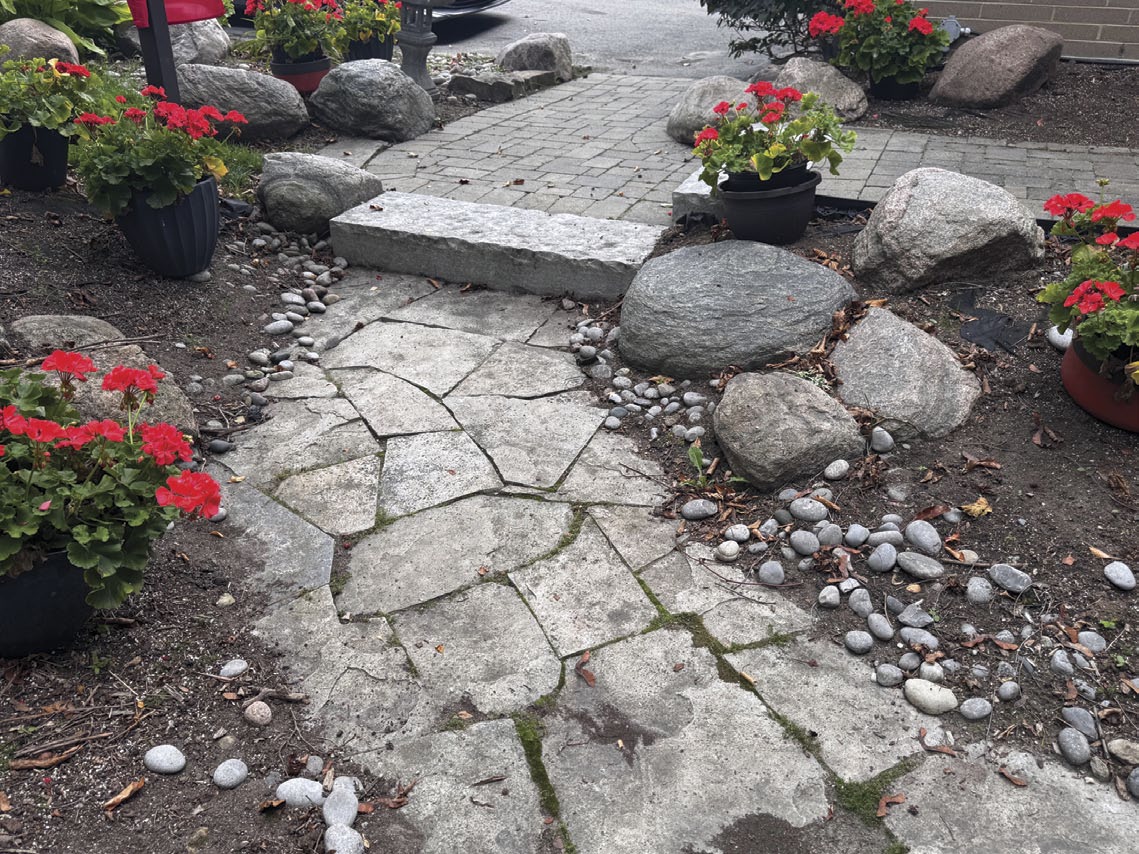
Natural Stone
Natural stone has an organic look that’s less structured, which looks great in many areas. It can be used on an entire patio or just for a portion of one, like this curved pathway.
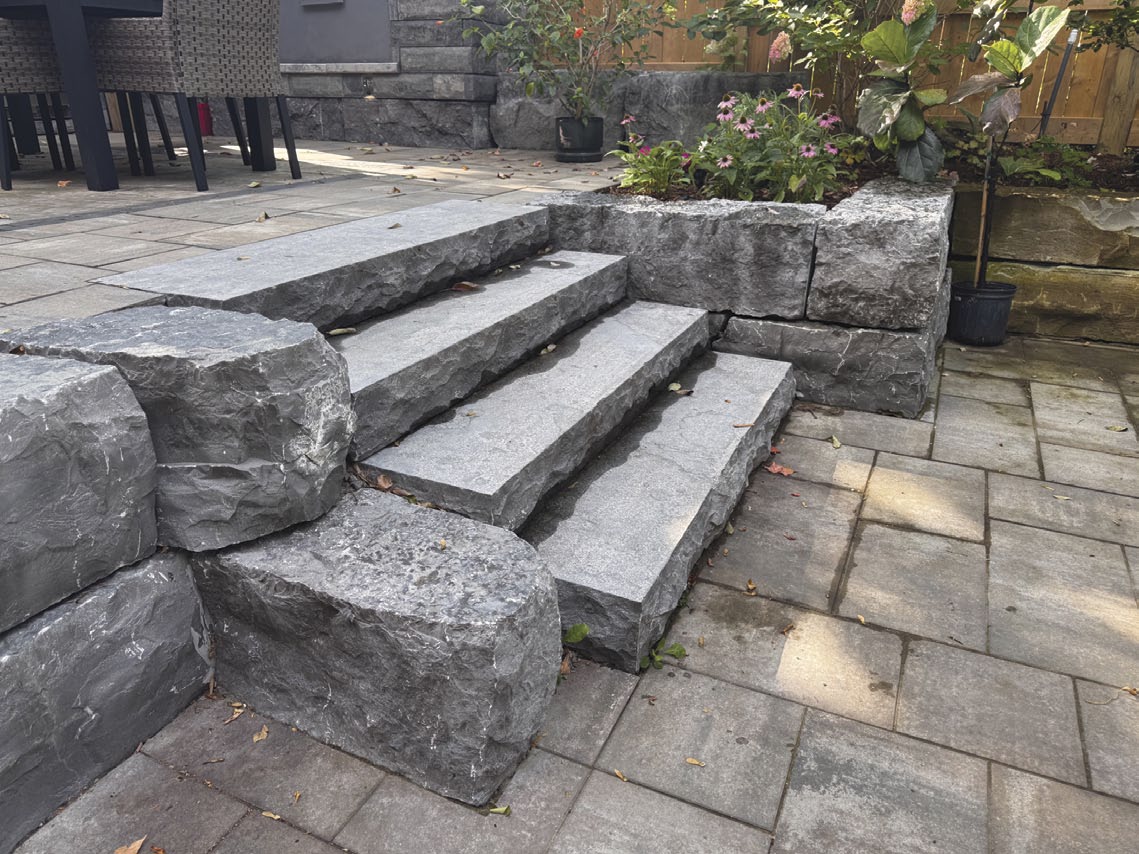
Think Long-Term
Materials like stone and concrete are lasting, maintenance-free elements of a patio, though they are typically much more labour intensive to install than wood.
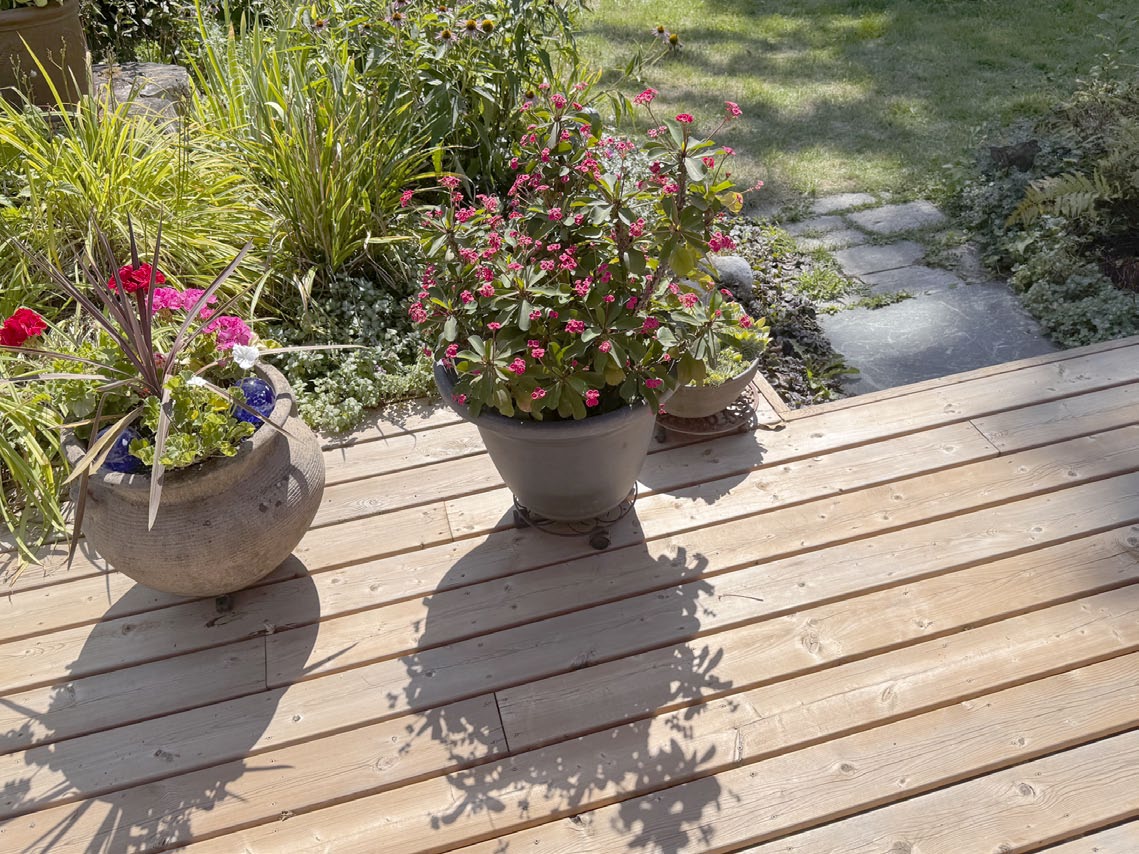
Easy Approach
Wood is easy to work with and provides charm and character that’s unmatched. It does require regular upkeep, though, and will eventually rot.
Planter Boxes
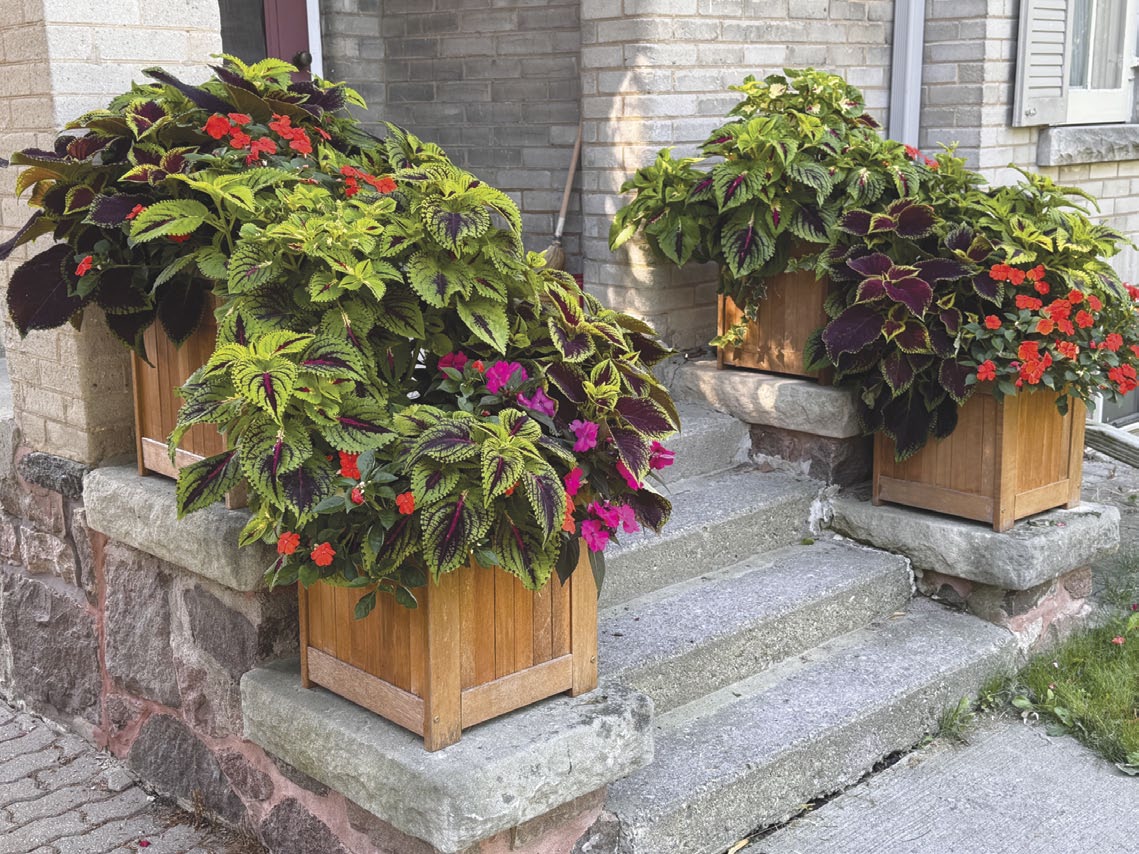
It’s easy to build custom-sized planter boxes for any space. They can be used strictly as accents, or be sized and located to help define different areas of the space, as well as pathways within the patio.
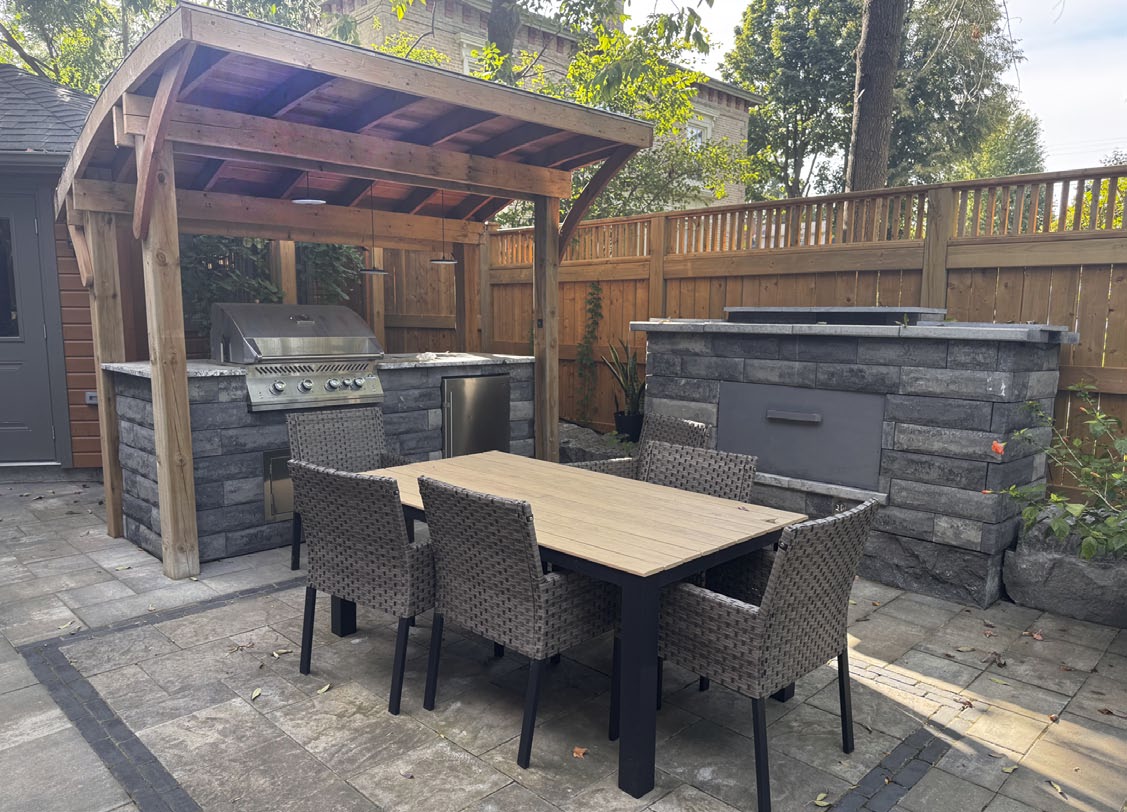
Getting Serious
Having a spot for a dining table is great. It’s also possible to incorporate a BBQ, pizza oven or other cooking devices into a patio. This will provide the ultimate backyard entertaining experience.
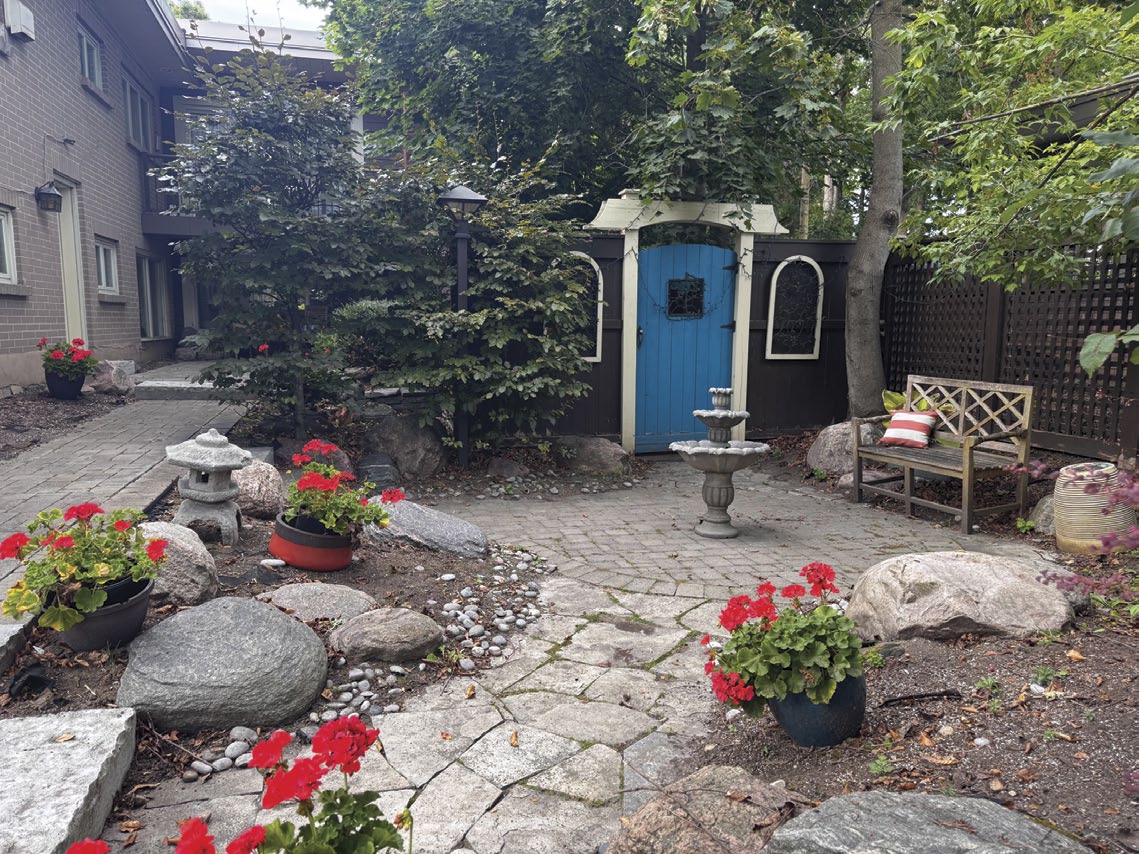
Divide and Conquer
The patio in this side yard has been divided into two separate spaces. A fence, complete with door, works to define the two areas, as well as provides a beautiful focal point in the space.
Simple Details
This twig trellis is easy to make and can be customized to your needs.

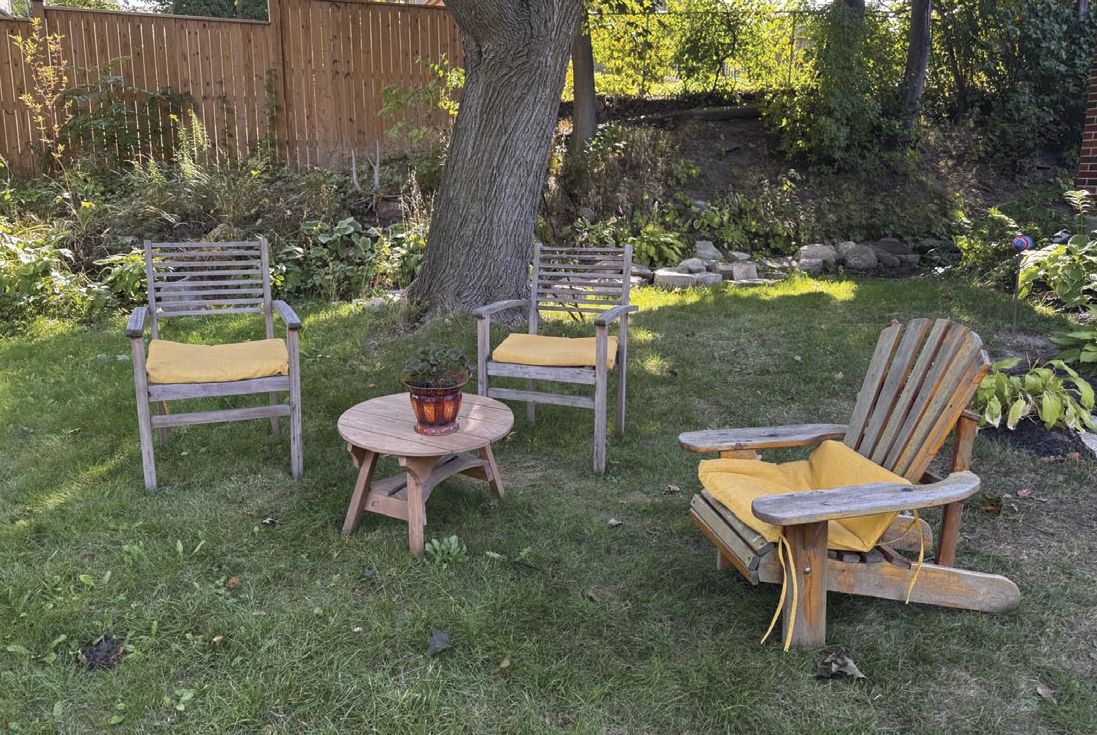
Keep It Simple
Not all patios need to be complex. A bit of shade and some grass is a good place to start. Adding a table and a few chairs will provide a simple spot to sit, relax and chat.
Add a Pergola
A pergola is a great way to get a small amount of shade, provide a place for plants and vines to grow and further help define the space. These simple structures are also within most DIYers’ skill level.
(Photo by Ala2017bn | Dreamstime.com)
Consider Lighting
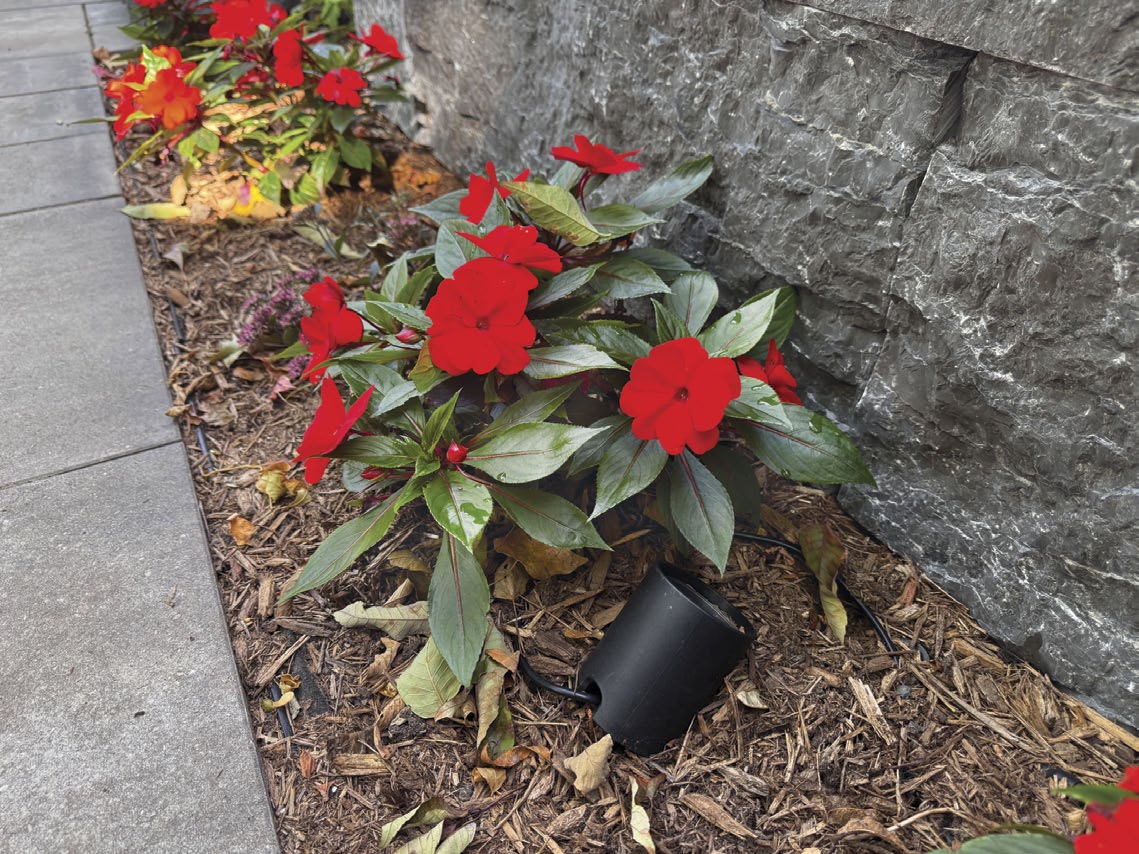
A patio is often used in the evening. Adding lighting, even just to help illuminate walkways, is a great idea.