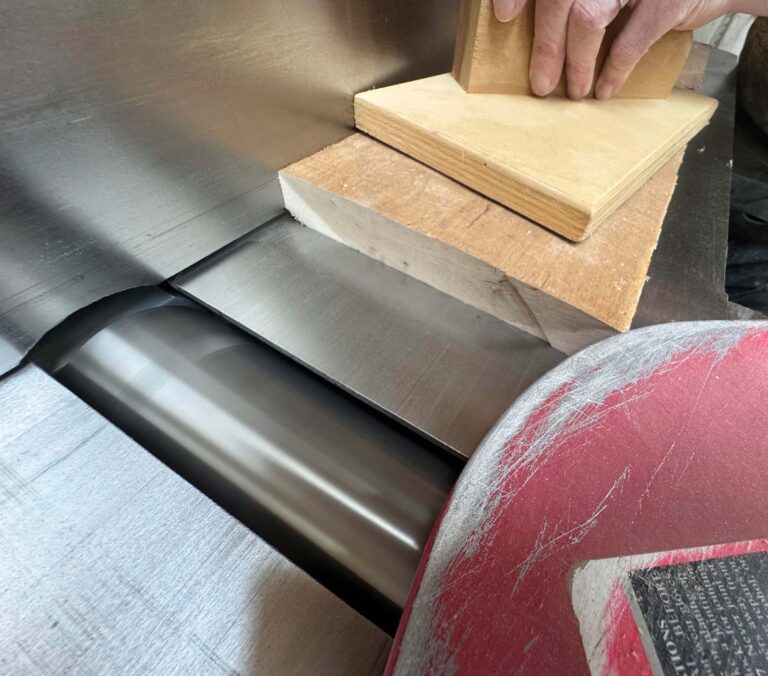
How to safely and accurately mill lumber
Milling rough lumber is an important skill to have. Set yourself up for success by learning the proper steps.

[aioseo_breadcrumbs]
Wood Selection, from Canadian Woodworking, offers practical information and resources to help you better understand the characteristics and behavior of wood.
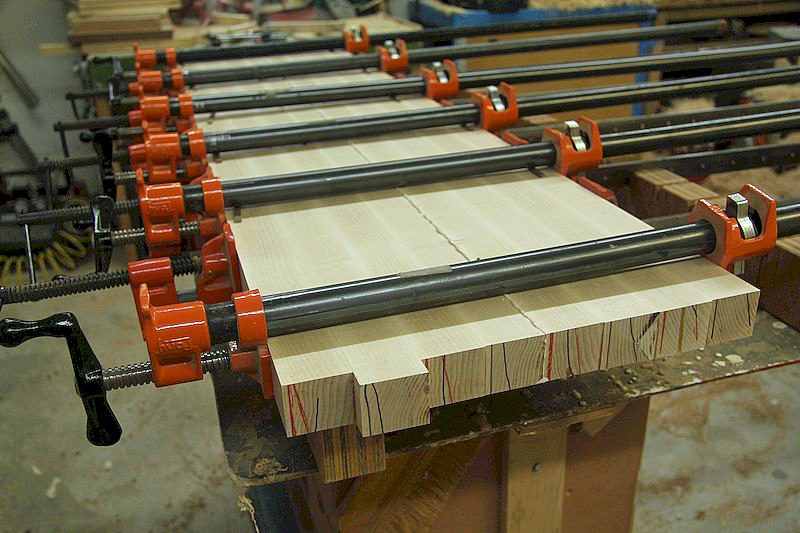
How to safely and accurately mill lumber
Milling rough lumber is an important skill to have. Set yourself up for success by learning the proper steps.
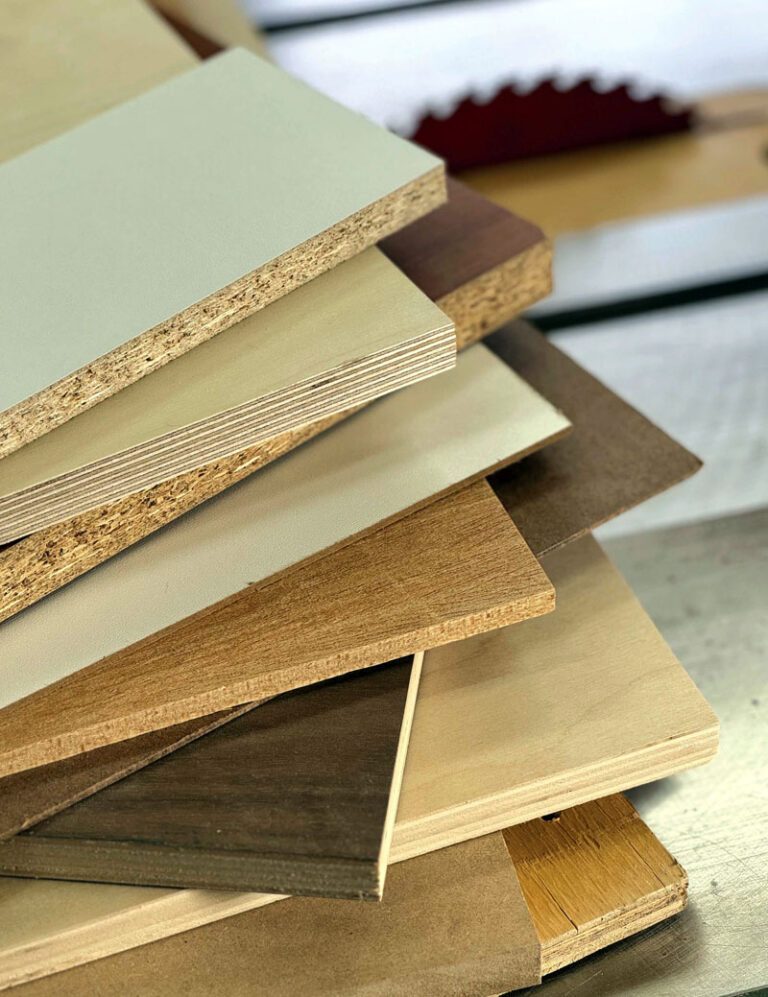
There are pros and cons to every type of sheet good. To avoid confusion when deciding what type to use, learn what the options are, and when and how to use the sheet goods properly.

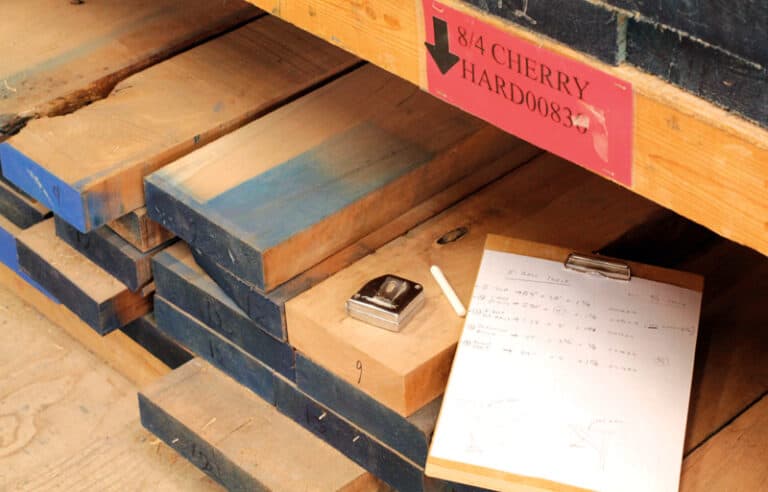
How much solid wood should you buy?
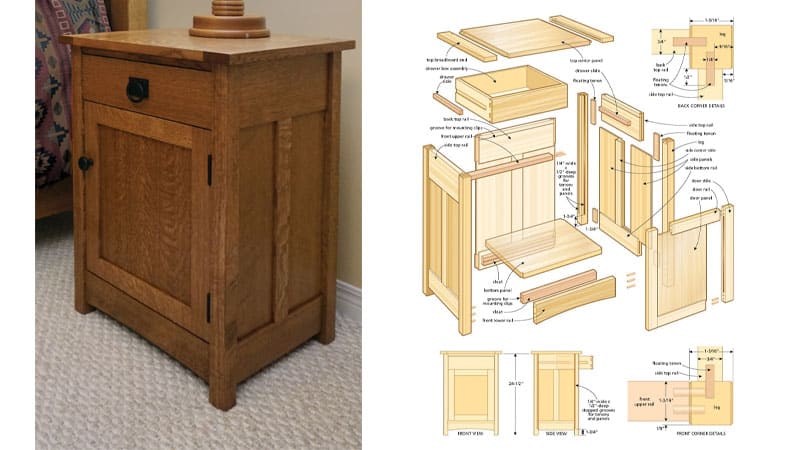
It’s one thing to understand a materials list and project drawing, but knowing how much solid wood to purchase is a whole other story. Learn some practical tips on how to approach your next trip to the lumberyard.
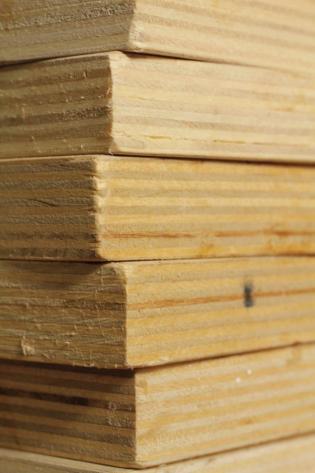
Understand your plywood options before starting on your next furniture, cabinetry or home improvement project.

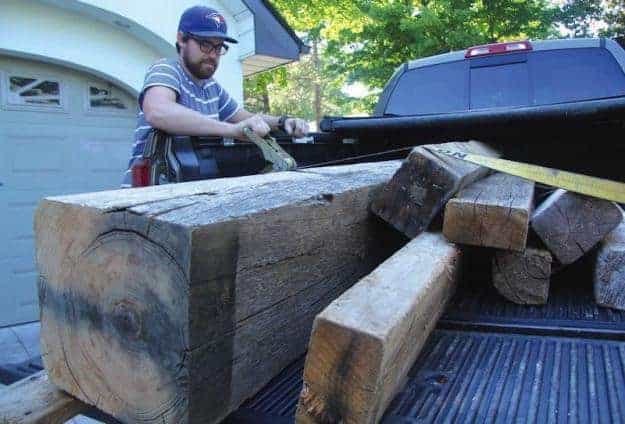
Upcycling: How and Why You Should Start Looking for Century-Old Lumber
There are many buildings in Canada that were built in the 1800s and are now being demolished. Instead of having all the beautiful and functional lumber added to a landfill site, we should be using it to build new products. The new piece will not only be functional for many years to come; it will also have an interesting story with it.

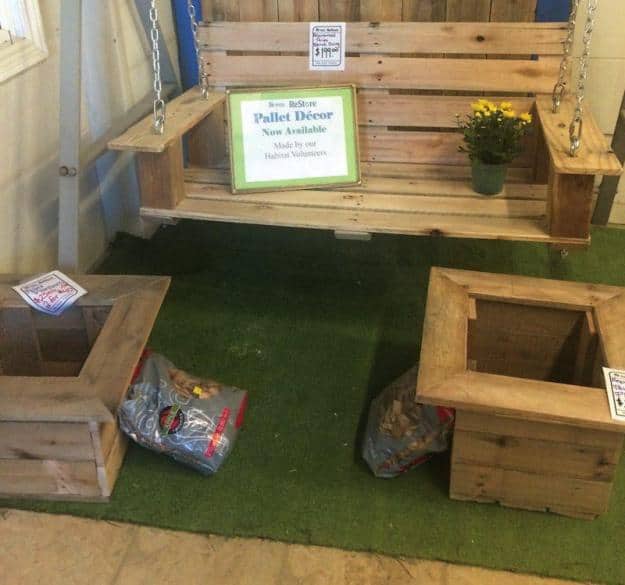
9 TIPS for Using Pallets to Make Furniture
It’s easy to create beautiful, functional pieces of furniture using wood from discarded pallets, as long as you know some tricks. Learn some pallet basics so your experience working with this endless supply of free wood will be a great one.
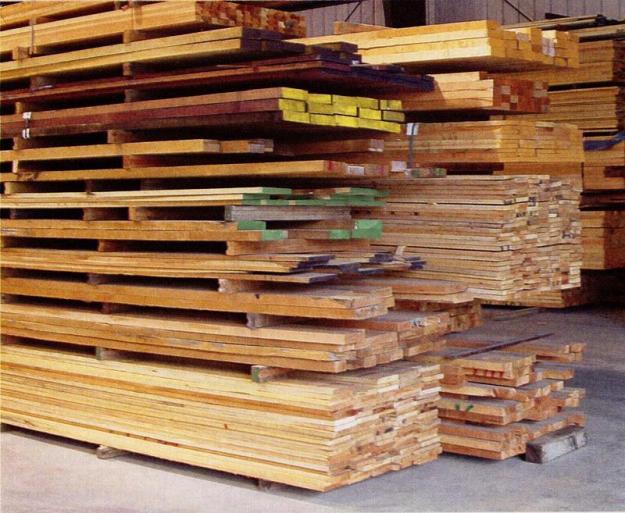
"A Board in the Hand is Worth Two in the Bush..."
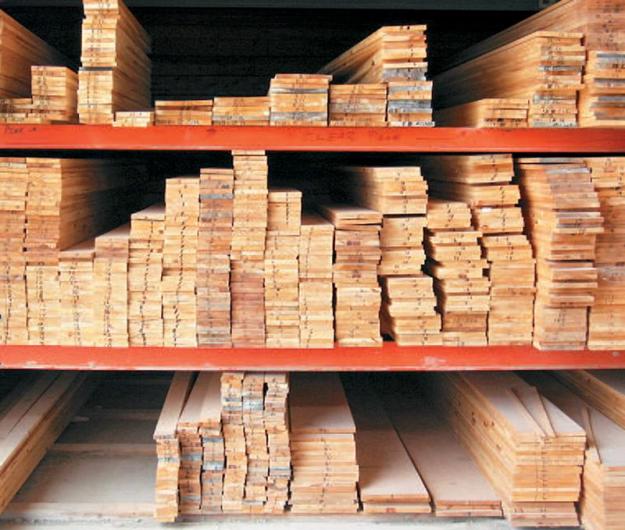
Most of us buy lumber that is either 'dressed' or 'rough'. Dressed lumber (also called 'surfaced lumber') has been jointed and planed after it has been dried, while rough lumber has been dried but not planed.