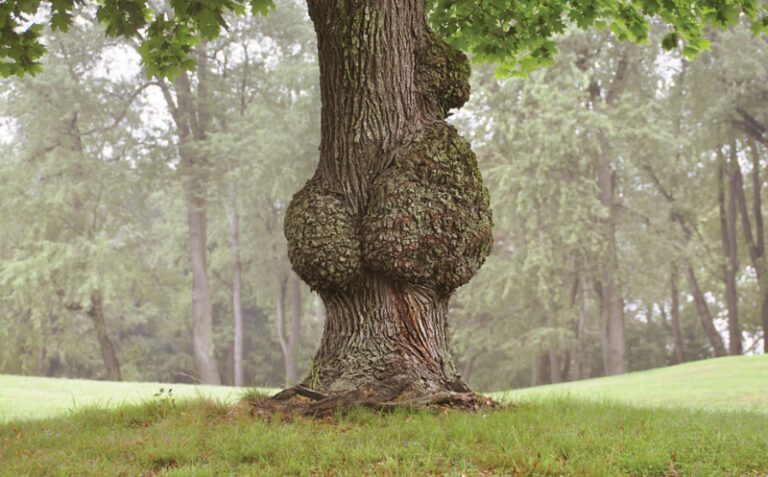
Working with burls is a rewarding and wonderful way to celebrate one of the finest figures produced by trees.

[aioseo_breadcrumbs]
Wood Science, from Canadian Woodworking, explores the nature of wood and shows how that understanding leads to better design, improved techniques, and more stable, longer-lasting projects.
Working with burls is a rewarding and wonderful way to celebrate one of the finest figures produced by trees.
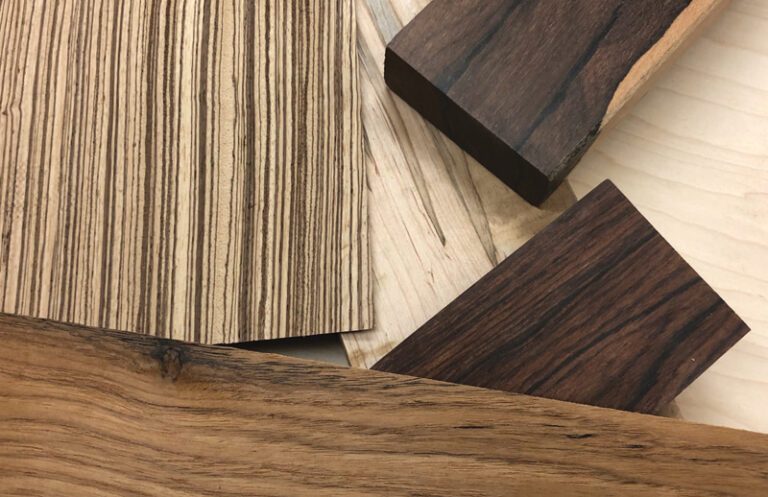
It’s hard to imagine where the world of woodworking would be without figured wood. For thousands of years, exquisitely figured pieces of wood have inspired woodworkers from the Egyptians to the recent works of James Krenov and Michael Fortune.
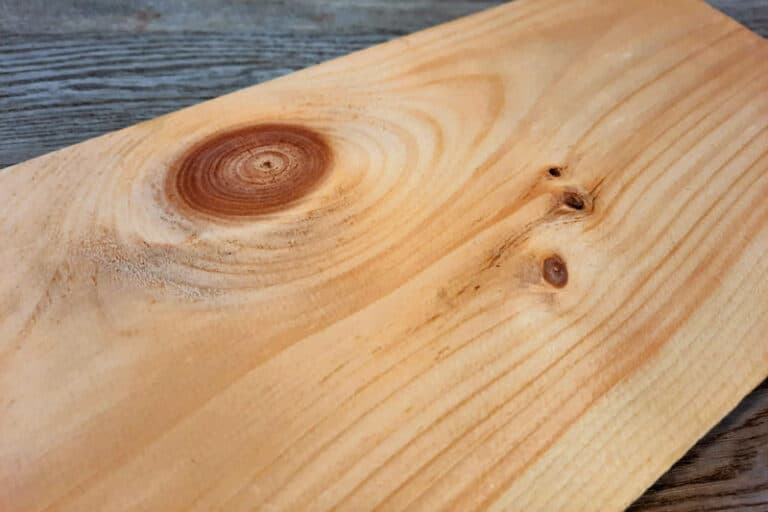
It’s hard to imagine a conversation among woodworkers that doesn’t include the words wood grain. Learn more about what gives wood its unique and beautiful qualities.
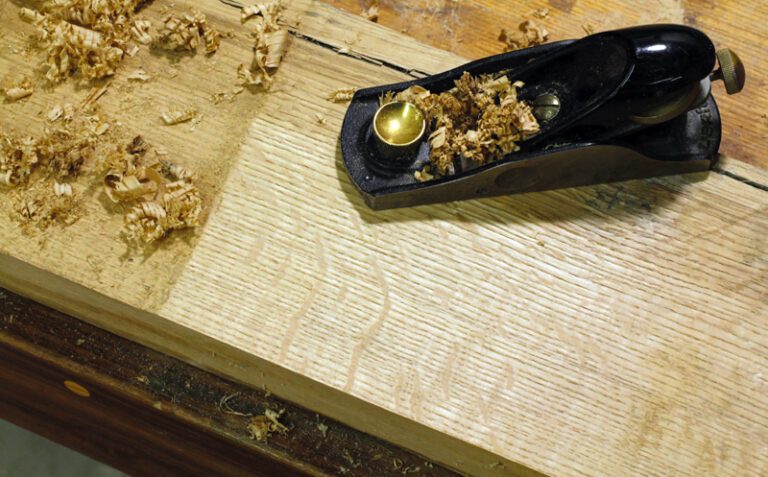
One of the most common characteristics of the Arts and Crafts Movement is the strong visual of medullary rays in white oak. Learn what medullary rays are and how you can make the most of their striking look to create eye-catching furniture.
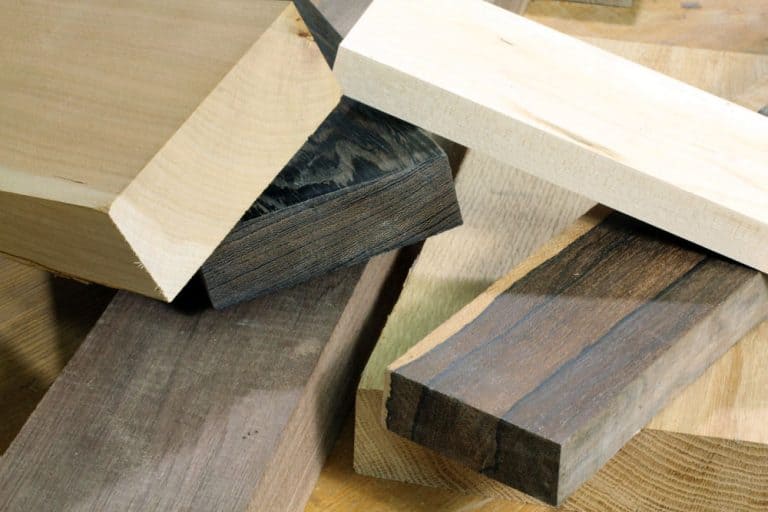
Woodworkers overwhelmingly prefer to work with hardwoods. Softwoods have their place in construction and paper making but for fine furniture, turnery, carving and all the other uses we find for wood, hardwoods are the wood of choice.
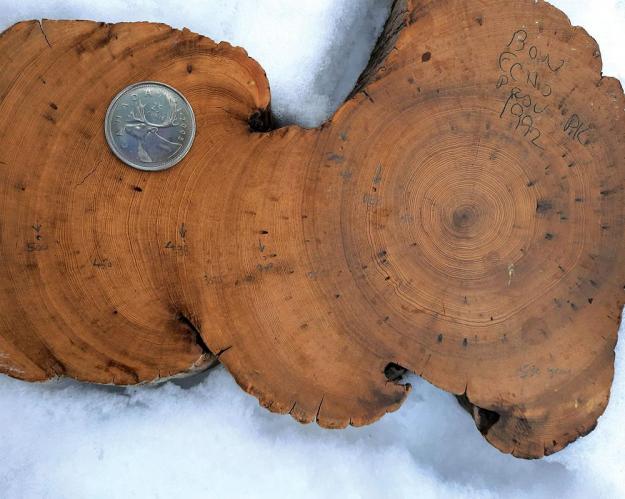
Softwoods: Structure and Growth Rings
Softwoods have been common in less formal furniture for centuries, and are often great for hidden structural components. Learn more about this wood and how you can best use it to your advantage when in the shop.
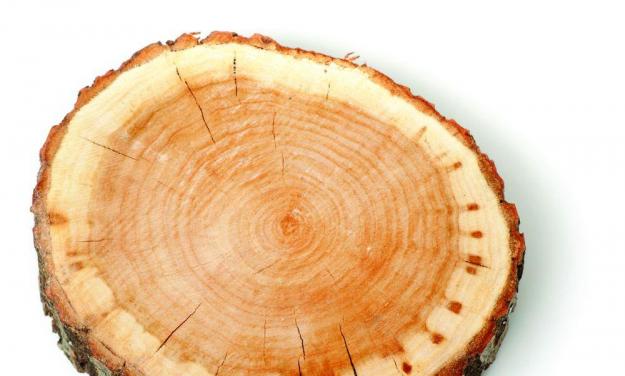
When viewing a cross section of a tree, two coloured circular sections of solid wood are visible. Learn why the tree grew like it did, and how it affects our approach as woodworkers.
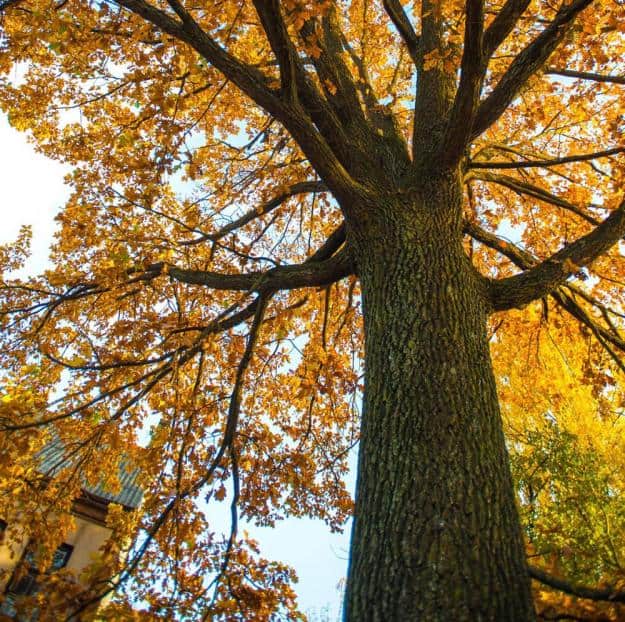
We all know wood is a beautiful material that can be machined, joined, smoothed and finished, but many woodworkers never think of wood in a more scientific way. Let’s take a look at where wood comes from, and why it has certain characteristics.
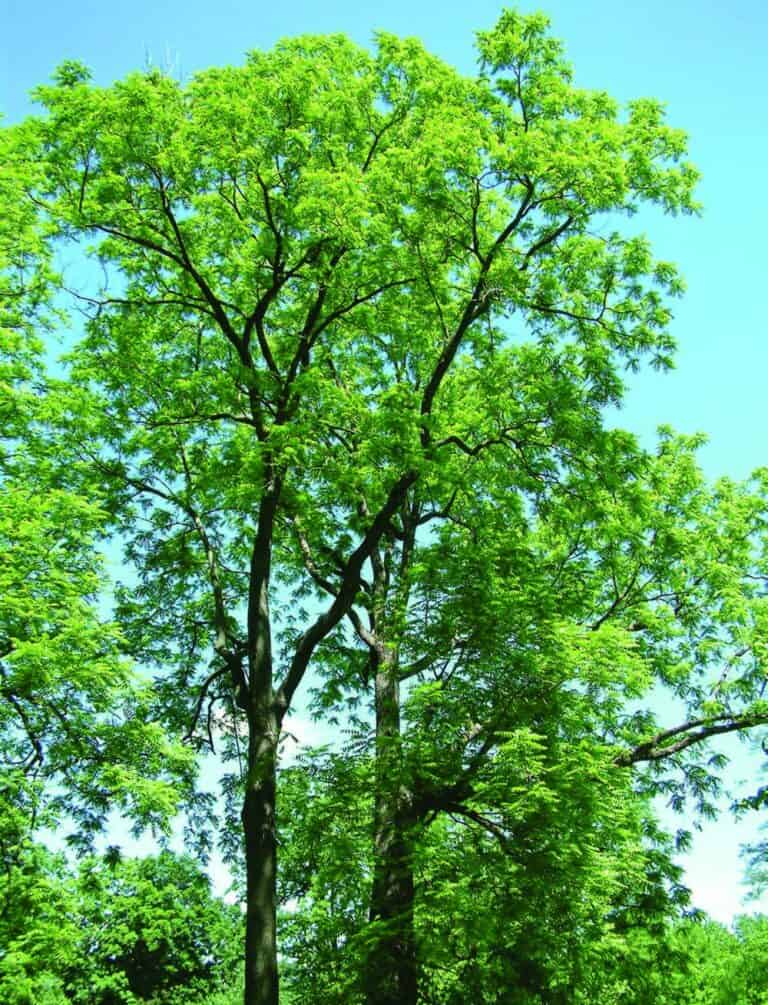
An Appreciation of Black Walnut
Walnut is one of the most highly prized domestic woods, and for good reason. For colour, grain, figure, workability and other valuable attributes, the wood is in a class all by itself among domestic hardwoods.

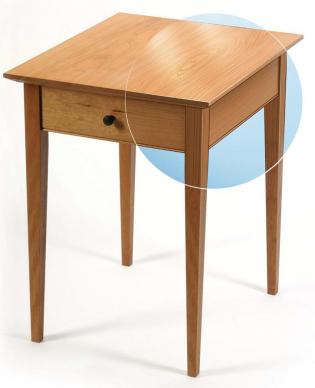
Sometimes paying a little extra attention to the grain patterns in wood can bring your furniture to the next level.

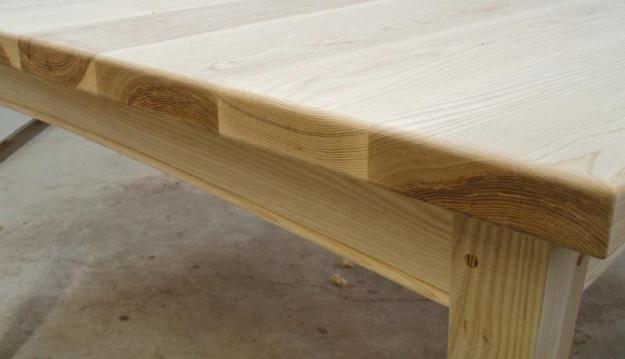
Wood movement is inevitable. However, there are many design and building options to help a craftsman work with it – not against it.

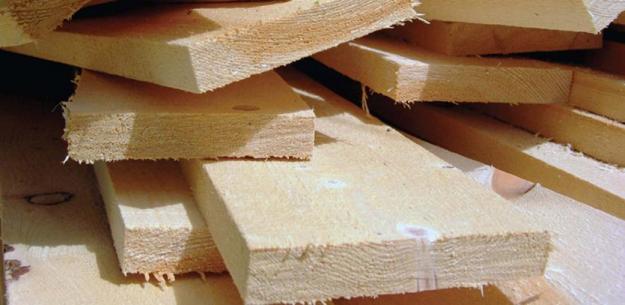
Wood movement – the relationship between wood and moisture
Understanding the interrelationship between wood and moisture is a fundamental prerequisite for every woodworker.
Most woodworkers are familiar with the terms 'hardwood' and 'softwood'. But are you sure that you understand what these terms mean?

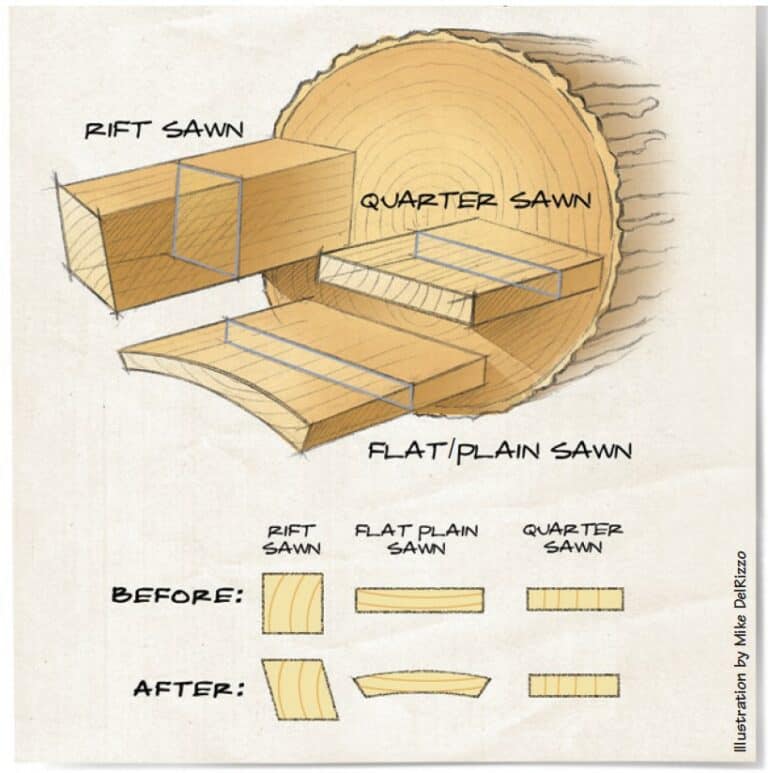
The location of a specific cut in a log determines its grain pattern or figure. Let's look at wood shrinkage, and the effect that drying has on the various cuts.
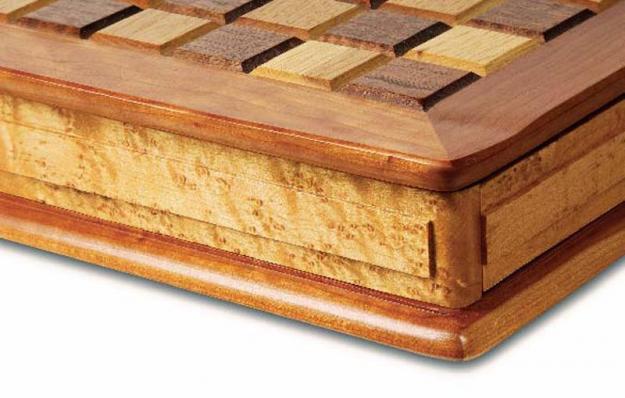
As woodworkers, how much do we know about wood? Seems like a strange question, as we are working with it everyday.