
Decorative Dovetails with the Incra System
In this article Kevin Shantz shows you how to cut such dovetails using the Incra LS Positioning fence system.

[aioseo_breadcrumbs]
Wood Joinery, from Canadian Woodworking, offers practical guidance to help you understand and apply a wide range of joinery techniques.
Decorative Dovetails with the Incra System
In this article Kevin Shantz shows you how to cut such dovetails using the Incra LS Positioning fence system.

The mortise and tenon is a classic joint with lots of strength, albeit it is usually hidden.

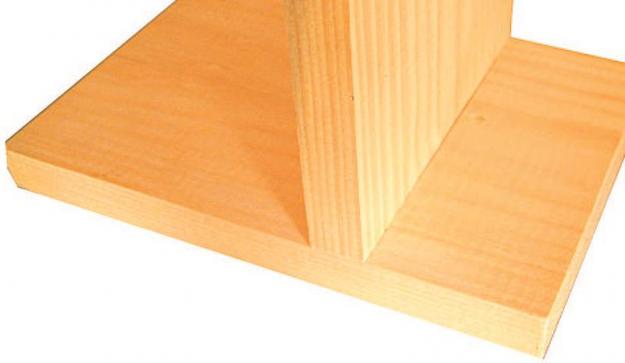
A stopped dado provides the same strength and flexibility that a dado joint does, however it hides the dado itself for a cleaner look.
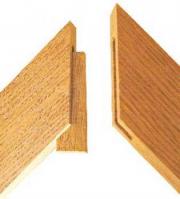
Mitre joints are an attractive joint often used in framework for cabinets and cabinet doors, picture frames and box lids - wherever you don't want to see end grain at a corner joint.
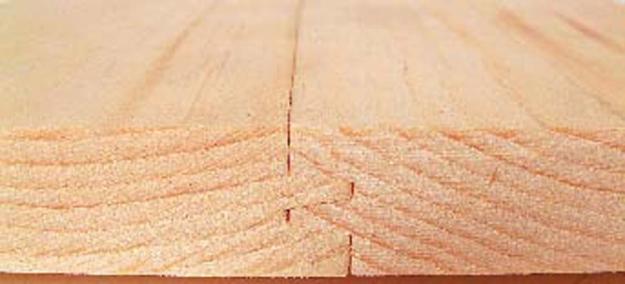
The finger joint is a router joint that not only adds strength to glued-up boards, it can extend your scraps by joining them together end to end for use in a hidden area.
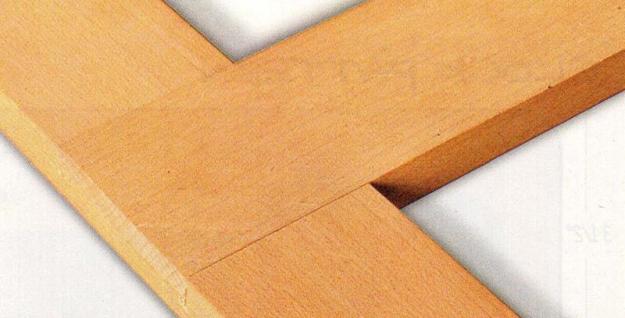
Lap joints may not be as highly regarded by the craftsman as the dovetail or the mortise & tenon, but they serve a very important role and are quite versatile.
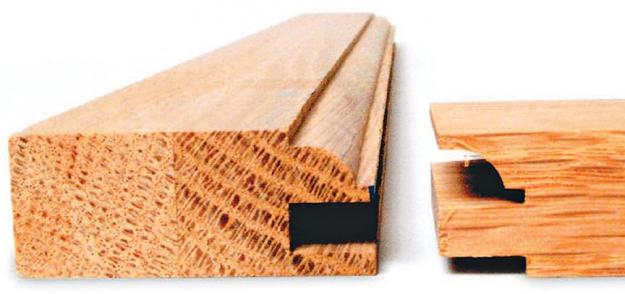
The Frame & Panel (F&P) joint is typically used for doors in cabinets. It can also be used for cabinet panels and internal frames and structures.
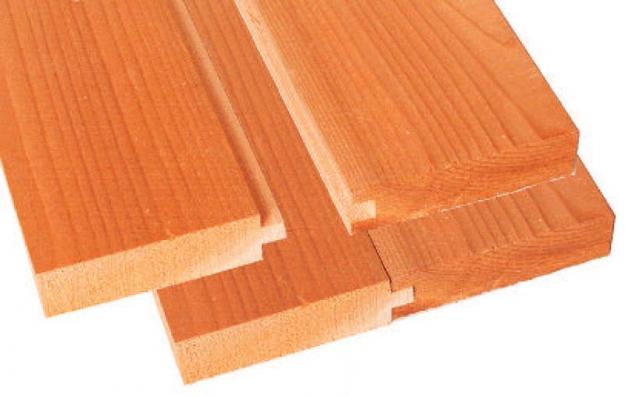
The Tongue & Groove (T&G) joint is primarily a structural edge-to-edge joint.
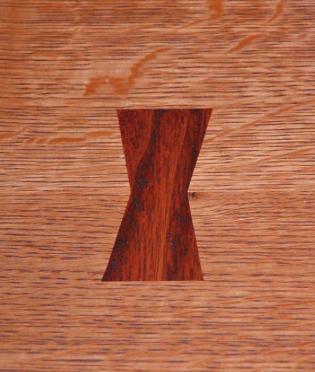
The butterfly key joint is more decorative than structural.
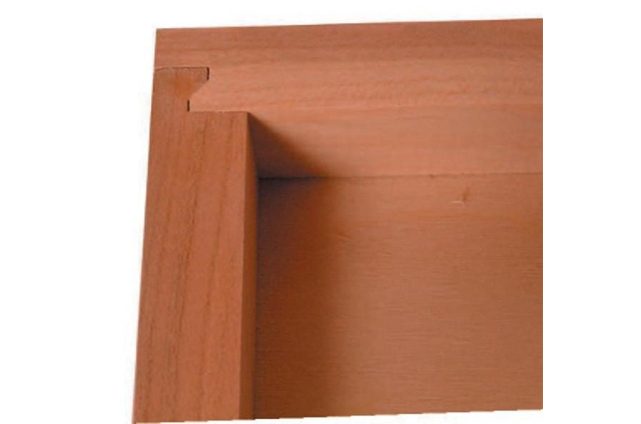
In addition to using the router to help make traditional joints, you can use the router and a single bit to make unique joints that solve specific joinery issues.
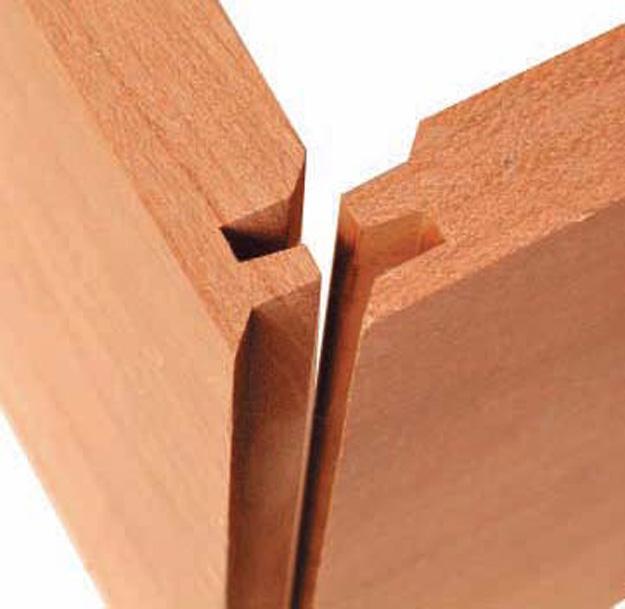
In addition to using the router to help make traditional joints you can use the router and a single bit to make unique joints that solve specific joinery issues.
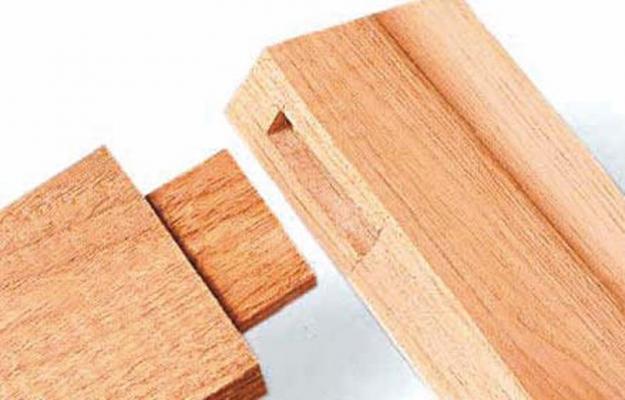
The mortise and tenon joint offers exceptional strength, resisting racking and twisting forces better than most other joints while providing an ample glue surface.
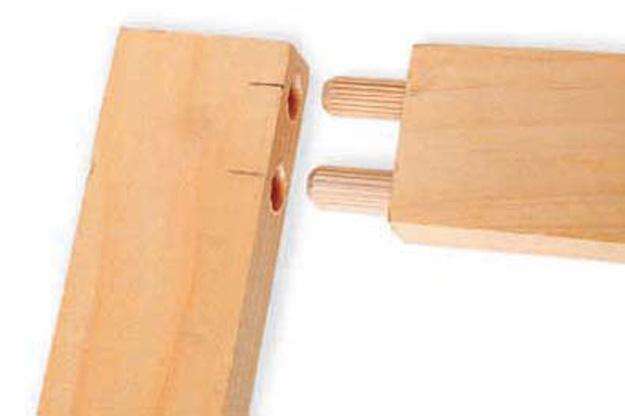
Dowels are one of the easiest joints to use and are especially useful when you don't want to use hardware, such as screws.
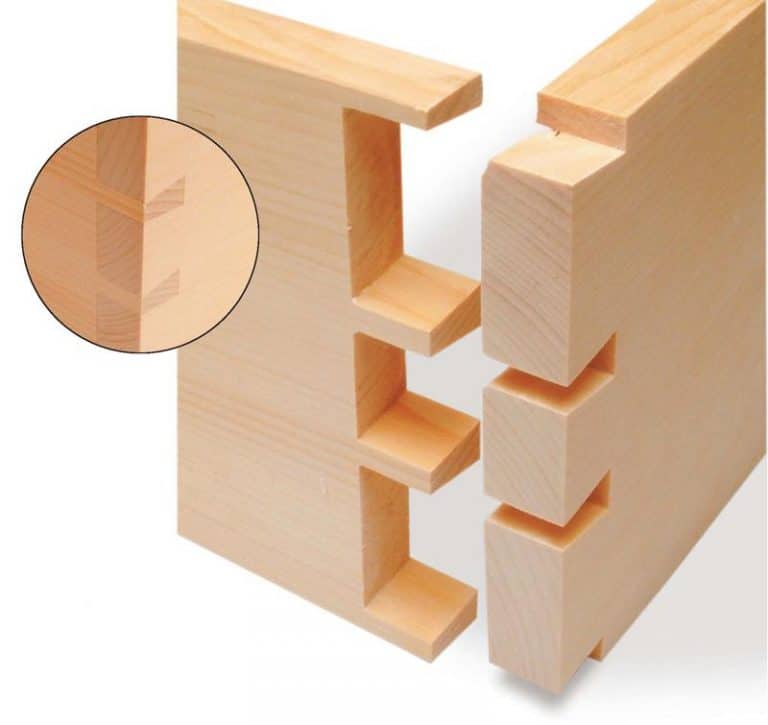
While dovetail joints are most often praised for their aesthetic appeal, their real claim to fame is the mechanical strength that they offer when two boards are joined at a corner.
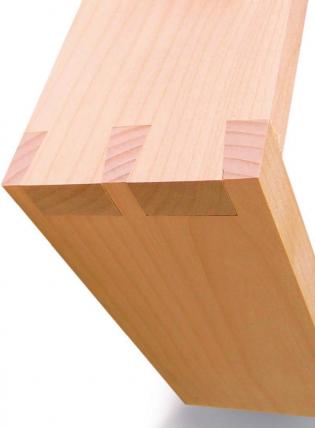
Joints are a fundamental part of woodworking. They have the practical function of joining pieces of wood together into a finished project while they can also provide a decorative element to your work.