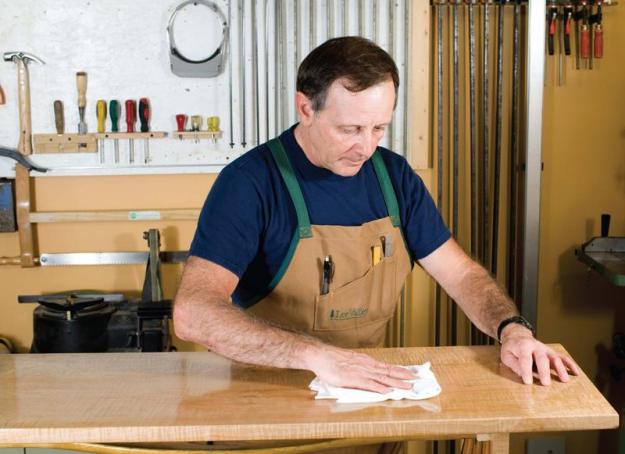
Accidents may happen – these simple techniques can keep your furniture looking like new for many years to come.

[aioseo_breadcrumbs]
Wood Finishing, from Canadian Woodworking, features practical tips and proven techniques to help you achieve better, more consistent finishing results.
Accidents may happen – these simple techniques can keep your furniture looking like new for many years to come.
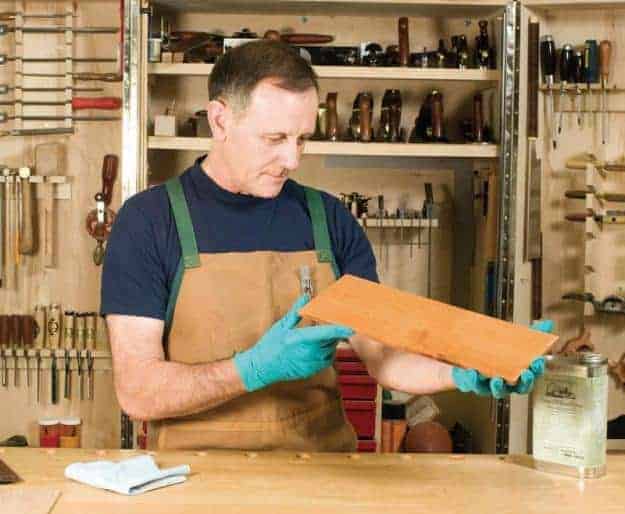
Don’t fret over this crucial last phase of the build. This simple cherry finish will make your hard work shine through.
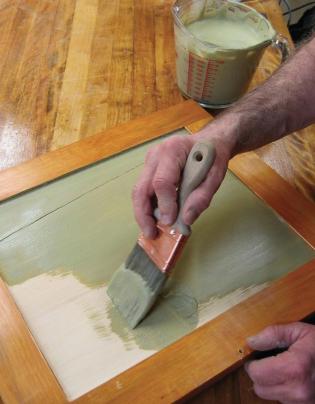
Milk paint has been around since the time of the pharaohs, yet it is only recently receiving attention due to its environmental friendliness and host of unique properties.
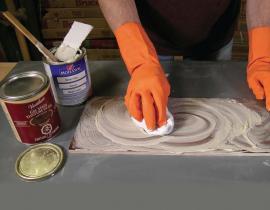
For an ultra smooth, glass-like surface on open pored woods (such as oak, ash, walnut or mahogany), fill the grain before applying your topcoat.

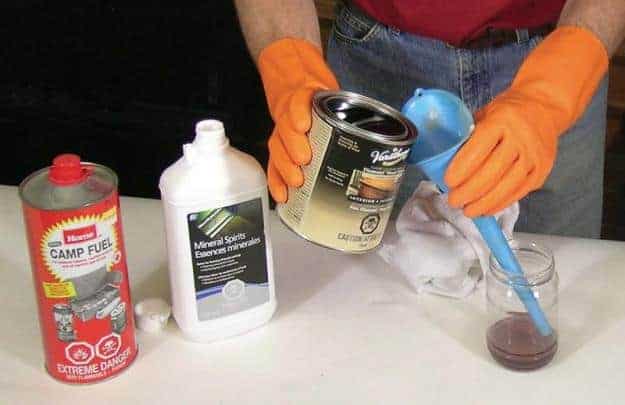
Solvents are useful products that can make the finishing process easier. But, they need to be treated with caution and common sense.
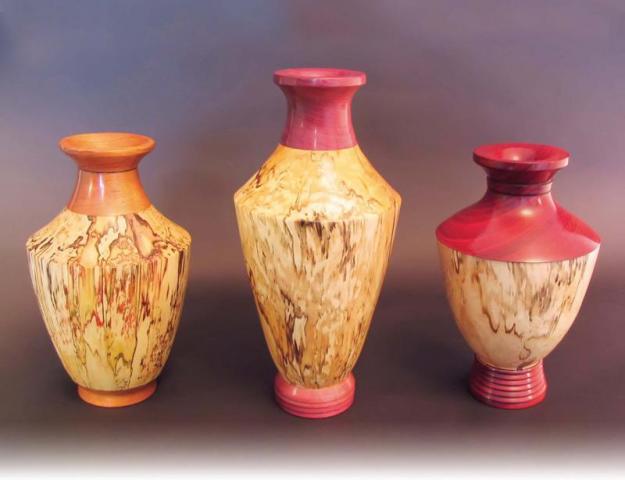
A simple recipe has been developed for a polish that you can make in unlimited and relatively inexpensive quantities, that’s easy and quick to apply, provides a one-coat seal and finish, has a minimal drying time, and gives a soft glow to a high gloss depending on the buffing speed used.

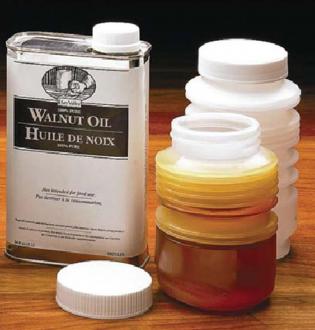
Wood Finishing Reference Chart
This handy chart explains what you need to know about the 6 most popular wood finishes.

High quality finishing with HVLP
If you ask woodworkers what their least favourite aspect of woodworking is, most will tell you they dislike applying a finish to a project.
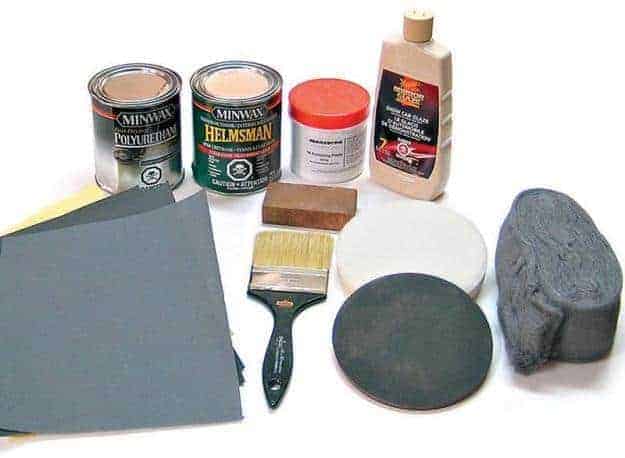
The smooth, clear look that you see on expensive furniture and high-end musical instruments, such as pianos and guitars, is achieved by rubbing out the finish.
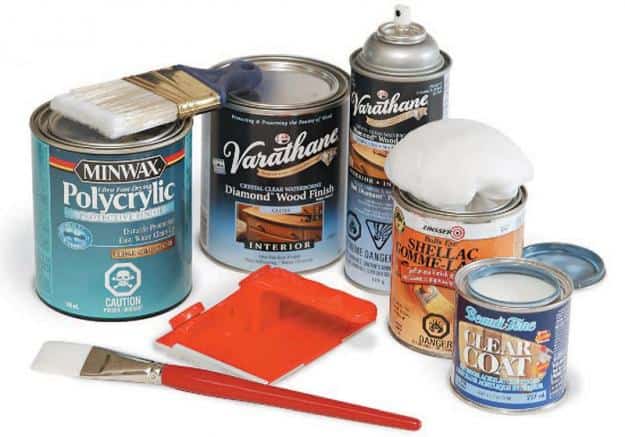
Waterborne finishes – the clear finish
You might be surprised to know that waterborne (or water based) finishes are just about as durable as varnish finishes.
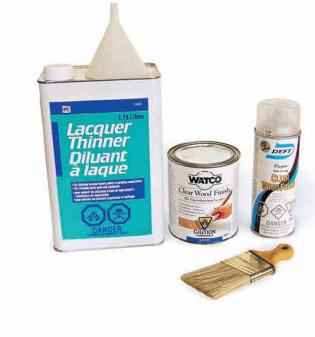
Use lacquer for a super clear wood finish that is easy to rub out.
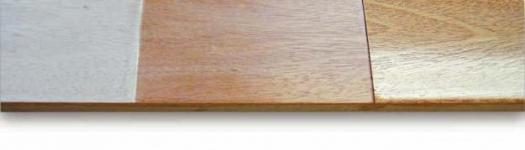
For many, varnish is the king of finishes. It produces a clear finish with a lot of depth; has superior water, abrasion, solvent, and heat resistance and...
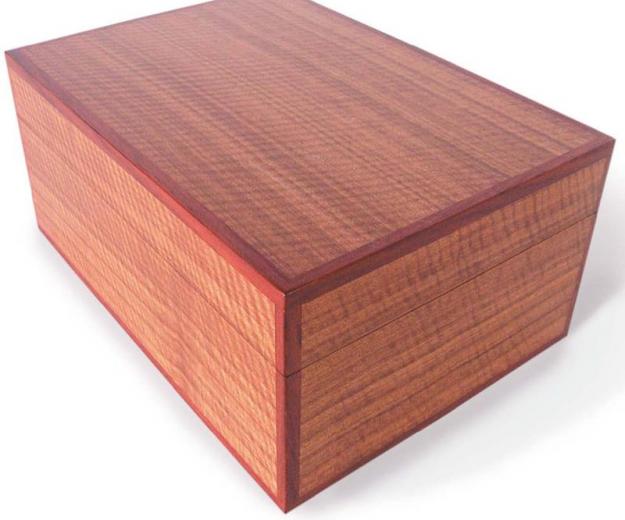
French polishing refers to a technique for applying shellac, not a finish in and of itself. Essentially you apply a very large number of thin coats of shellac using a pad, a wee bit of oil, and a lot of elbow grease.

Oil finishes are referred to as penetrating finishes: the oil permeates the wood by capillary action, forming a continuous film over the surface.

Some woods, such as oak, ash, mahogany and walnut, have large open pores and benefit from pore filling.