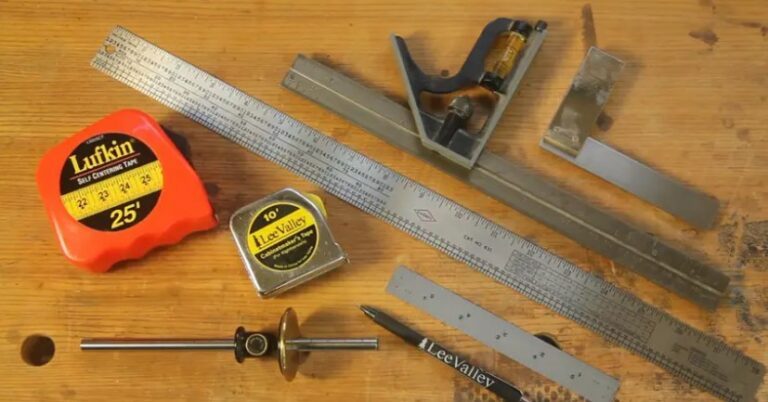
19 – A woodworker’s first seven layout tools
Rob Brown talks about the first seven layout tools that you should purchase: Tape measure, engineer's square, metal rulers, sliding T-bevel, marking gauge, combination square, mechanical pencil.
[aioseo_breadcrumbs]
19 – A woodworker’s first seven layout tools
Rob Brown talks about the first seven layout tools that you should purchase: Tape measure, engineer's square, metal rulers, sliding T-bevel, marking gauge, combination square, mechanical pencil.
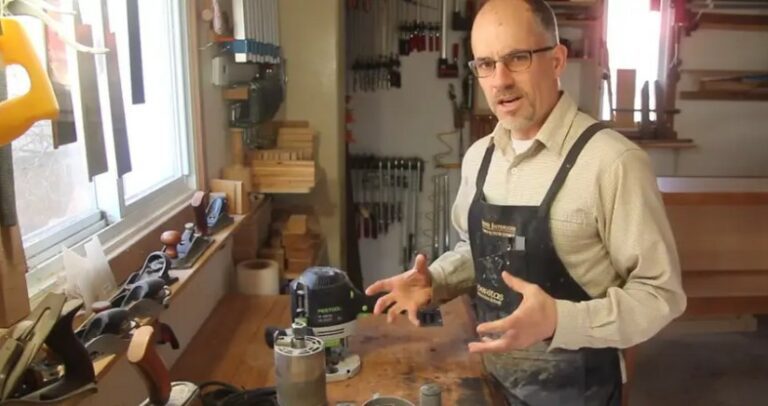
20 – A woodworkers first seven power tools
Rob Brown talks about the first seven power tools that you should purchase.
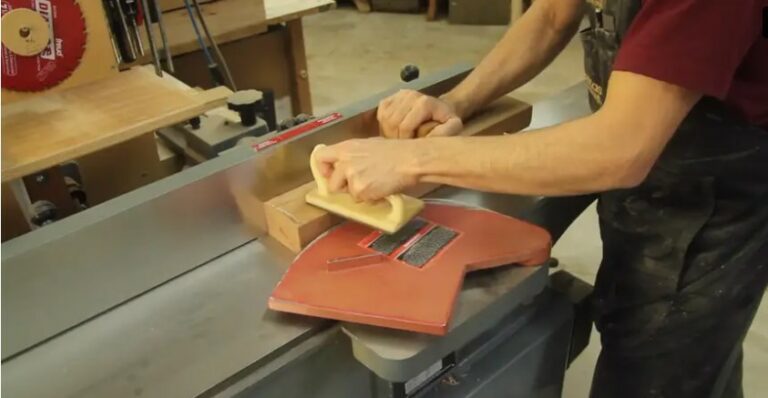
21 – A woodworkers first four machines
Rob Brown shows you what first for machines you should buy to begin making furniture: jointer, planer, bandsaw, and miter saw.
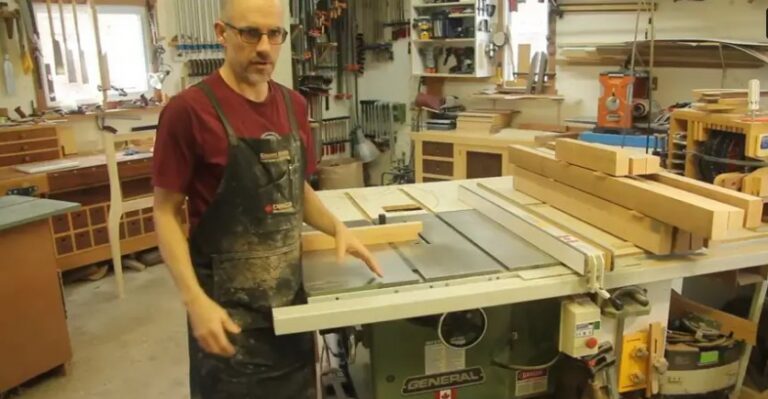
22 – A woodworkers next four machines
Rob Brown describes what other machines you should buy for your shop: table saw, drill press, dust collector, and sanding machine.
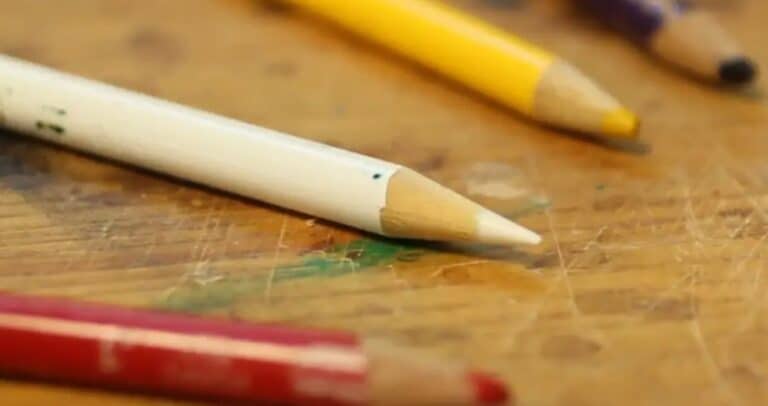
23 – Writing utensils for woodworking
Rob Brown talks about the writing utensils you need in woodworking.
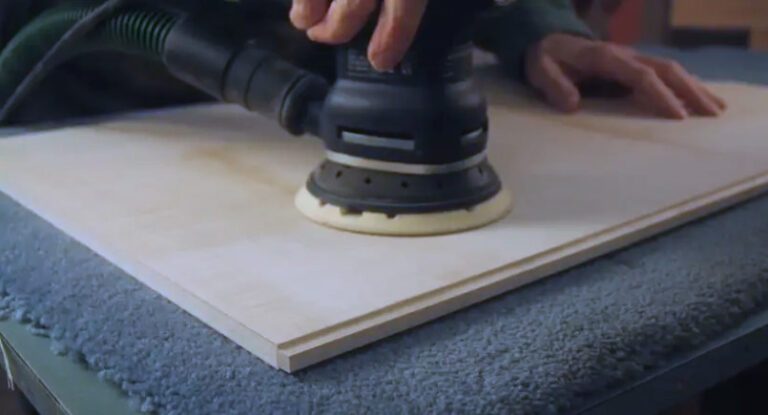
24 – Protecting your work-in-progress
Rob Brown shows you a variety of tips to protect your project during construction and assembly.
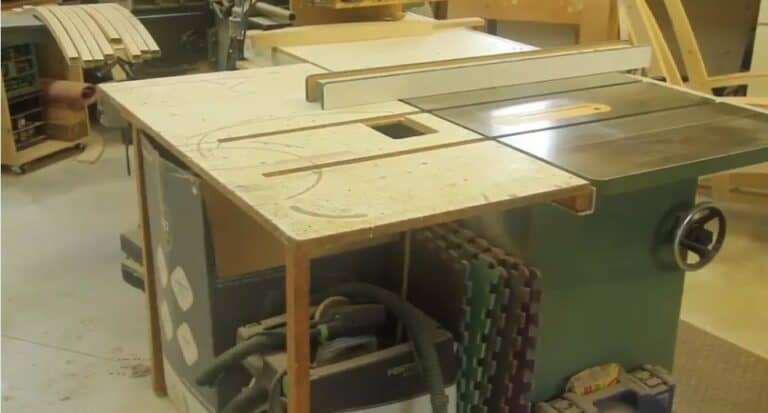
Rob Brown describes several work supports that will help improve your productivity and safety.
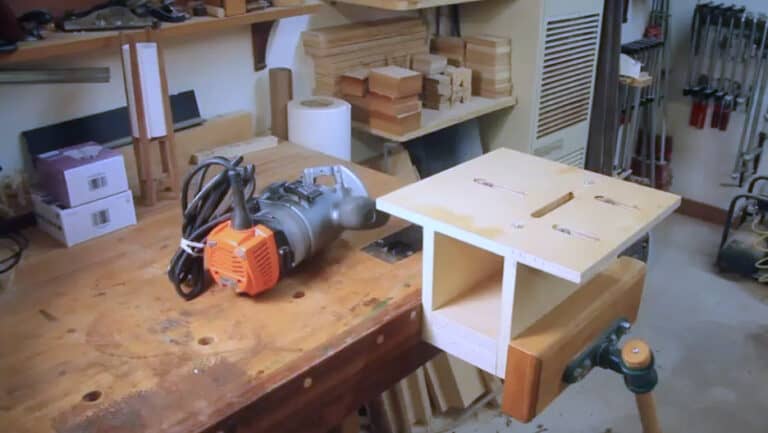
26 – Five tips to make better jigs
Rob Brown shows you how to make efficient, productive shop jigs.
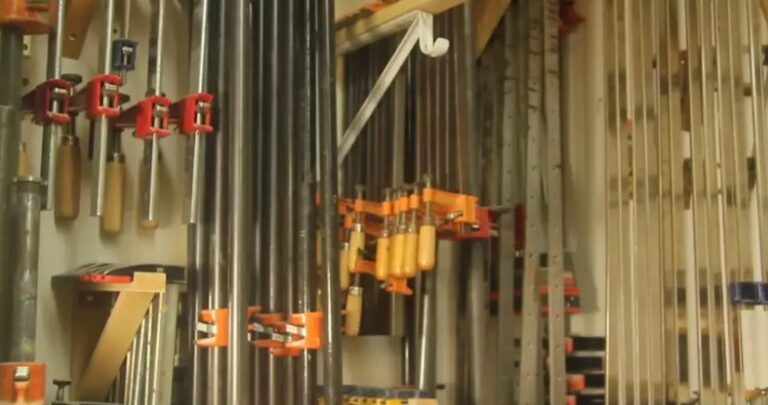
Rob Brown introduces you to the various types of clamps used in woodworking.

Rob Brown explains when and how to use clamping cauls.
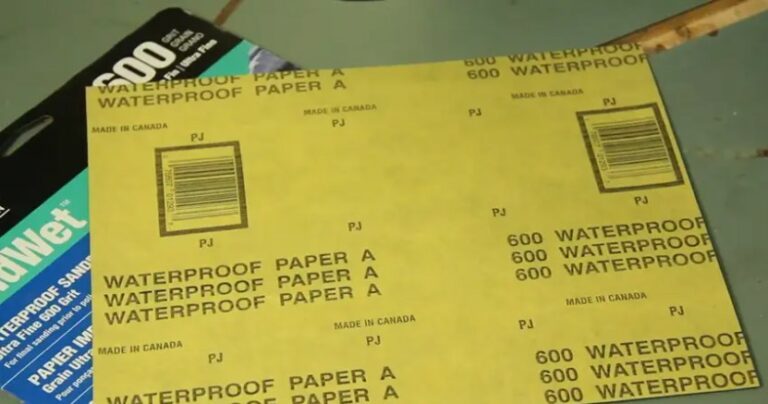
29 – Abrasives for woodworking
Rob Brown talks about the variety of abrasives you need to properly finish your projects.
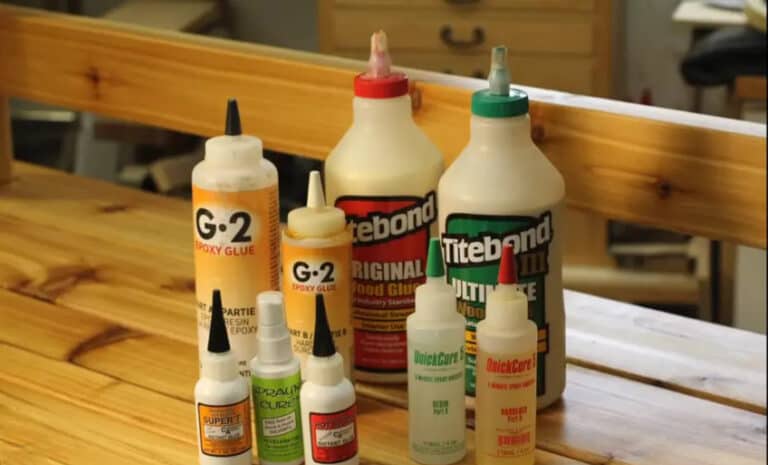
30 – Six common adhesives for woodworking
Rob Brown outlines the pros and cons of the six main types of adhesives used by woodworkers and DIYers: PVA, Epoxy, Polyurethane, CA (Cyanoacrylate), Urea Formaldehyde, and Contact Cement.
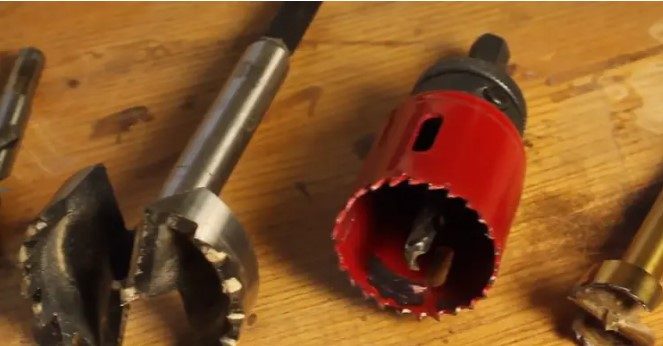
31 – Drill bits for woodworking
Rob Brown talks about the basic drill bits you need in woodworking.
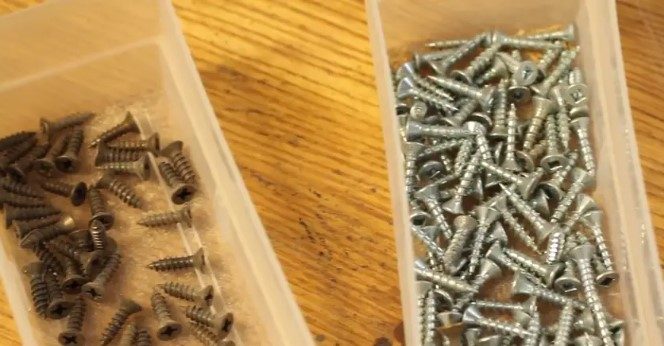
32 – Common woodworking screws
Rob Brown talks about the type of screws commonly used in making furniture.
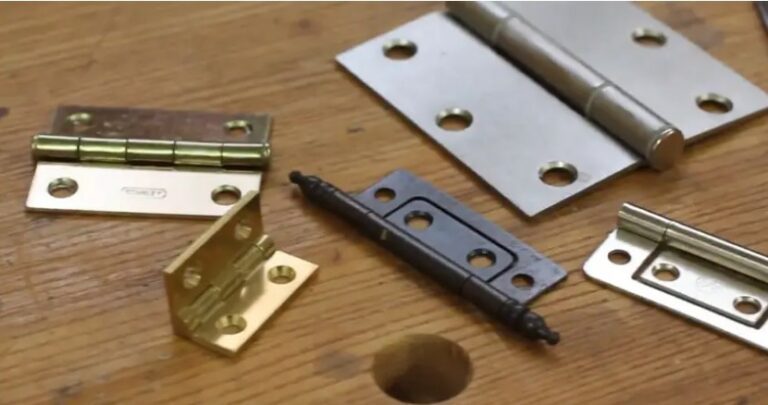
33 – Five common hinges for furniture making
Rob Brown discusses the five most common types of hinges used in furniture making.
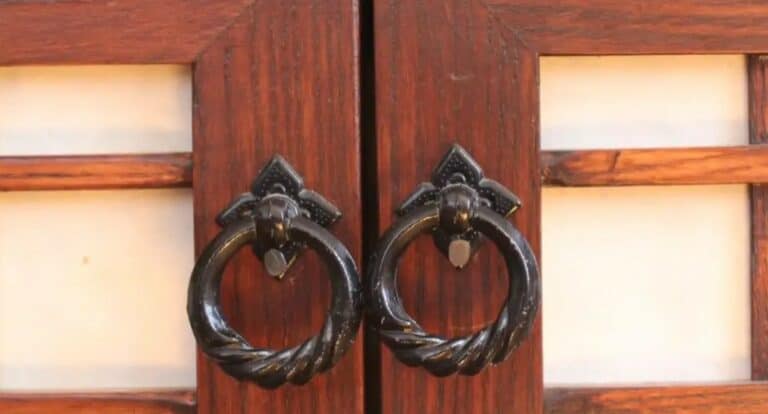
Rob Brown explains how the right knobs and pulls can enhance your woodworking projects.
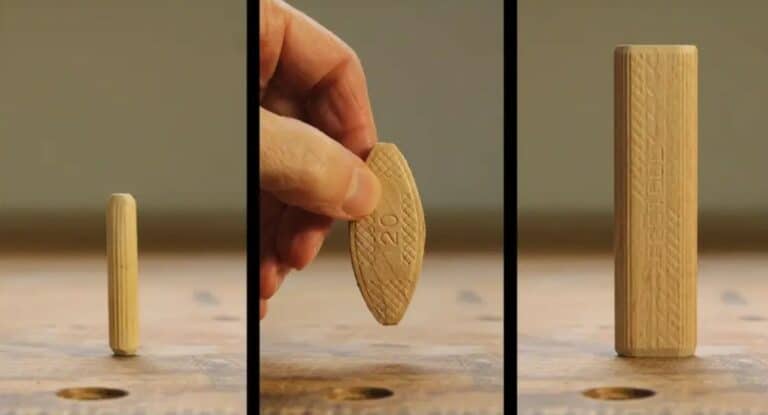
35 – Wood hardware – fasteners
Rob Brown explains when and how to use the three most common types of wood fasteners: dowels, biscuits, and loose tenons.
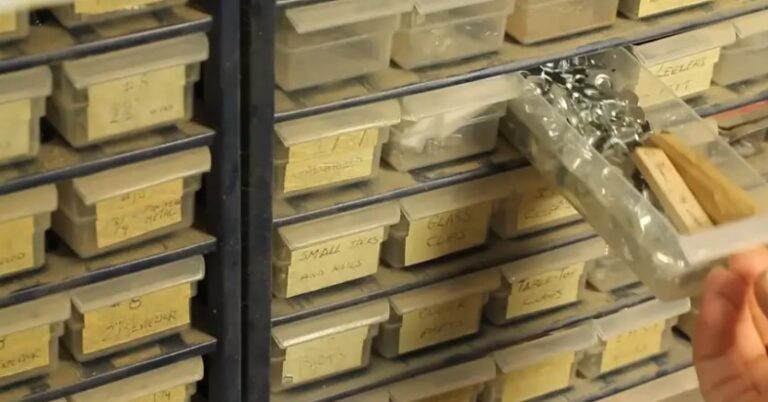
36 – Crucial miscellaneous hardware
Rob Brown talks about a range of hardware items handy to have on hand, including shelf pins, guides and T-Nuts, press-in feet, adhesive bumpers, magnets and washers, L-brackets and corner braces.